
Review · CONCERTS
Concert in the Rudolfinum – MOZART, VIVALDI, SMETANA
A great classical evening starts with the right room. This one happens in Prague’s Rudolfinum at the Suk Hall, so you get an up-close feel with an ensemble. I love how the setlist blends crowd favorites like Mozart and Smetana with softer tone poems like Debussy, so there is something for beginners and regulars. I also like that the program is only 65 minutes, which makes it easy to fit into a packed day. One drawback to consider: it is not a massive main-hall symphony night, it is an intimate ensemble concert, so expectations should be adjusted.
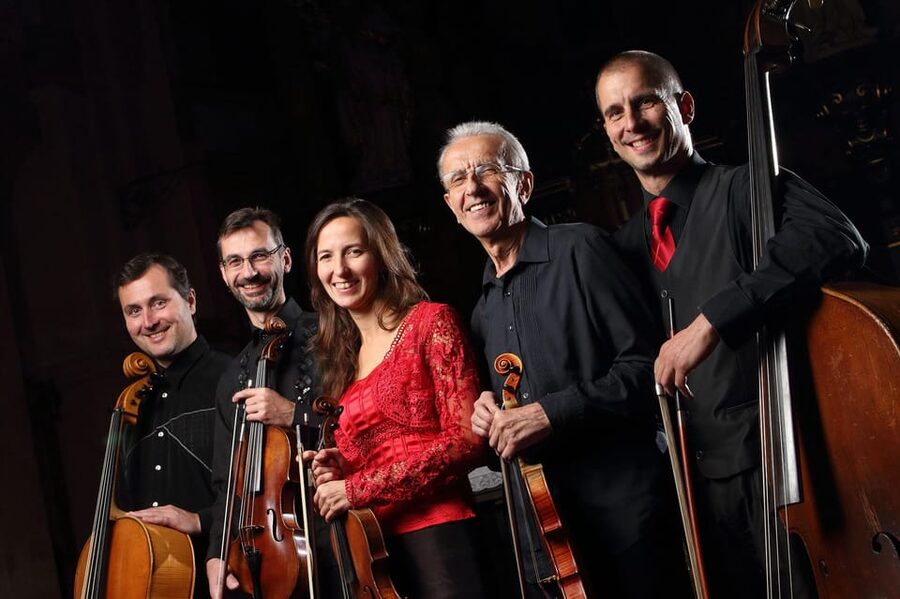
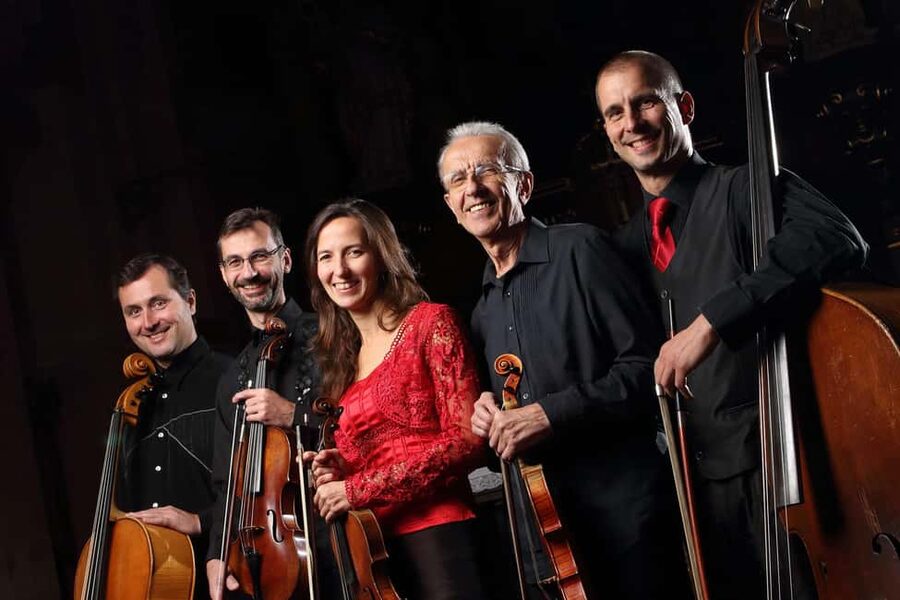
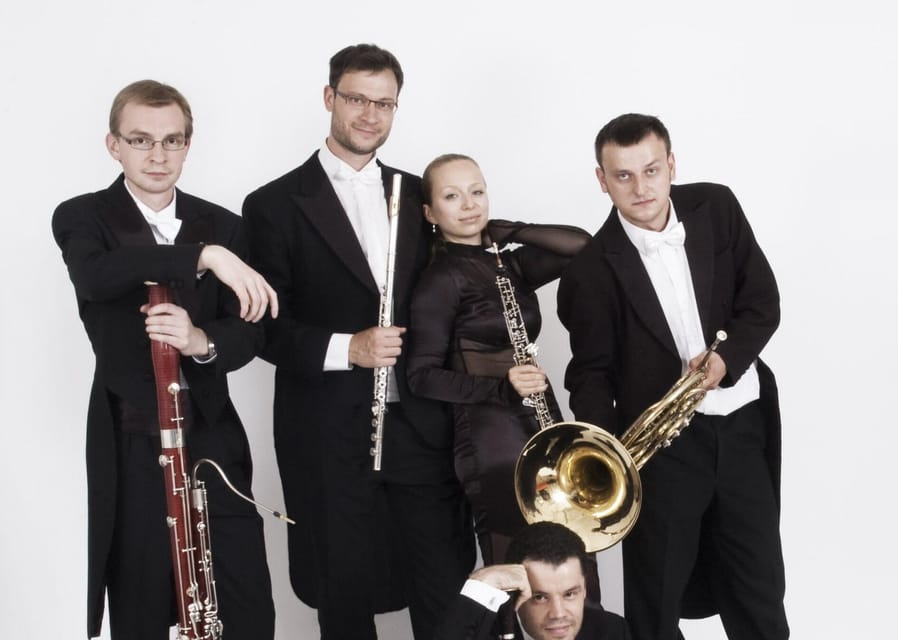
I also like the personality of the Parnas Ensemble. They focus on light classical music, and they have a record of performing at major international events, including the NATO Summit in Prague in 2002. If you want a formal, grand-orchestra spectacle, this might feel too small for the price, but if you want great playing in a cozy hall, it lands well.
In This Review
- Key things to know before you go
- Entering the Rudolfinum and finding the Suk Hall fast
- Why the Parnas Ensemble approach works for Mozart, Vivaldi, and Smetana
- The 65-minute musical program, track by track
- Vivaldi’s The Four Seasons selection
- Bizet: Carmen suite
- Debussy: Clair de lune
- Ravel: Boléro
- Smetana: Vltava, the Moldau moment
- Strauss: Pizzicato Polka
- Mozart: A Little Night Music
- Schubert: Ave Maria
- Bach: Air
- Tchaikovsky: Waltz of the Flowers
- Dvořák: Largo from the New World Symphony
- Slavonic Dance
- What the hall atmosphere feels like in practice
- Price and value, especially if you expected a full orchestra
- Who should book this Prague concert
- Practical tips for a smooth evening
- Should you book this Rudolfinum concert?
- FAQ
- Where is the meeting point for the concert?
- How long is the concert?
- How much are tickets?
- What is included with the ticket?
- Can I cancel and get a full refund?
- Can I reserve now and pay later?
Key things to know before you go
- Suk Hall, not the big main space, so you sit closer and hear more detail.
- A 65-minute program that moves quickly, with no marathon feeling.
- Parnas Ensemble leads the show, specializing in light classical with strong audience connection.
- A best-of list of familiar pieces plus a few tender moments like Ave Maria and Clair de lune.
- The Prague “Moldau” moment hits especially well in a hall built for listening.
Entering the Rudolfinum and finding the Suk Hall fast
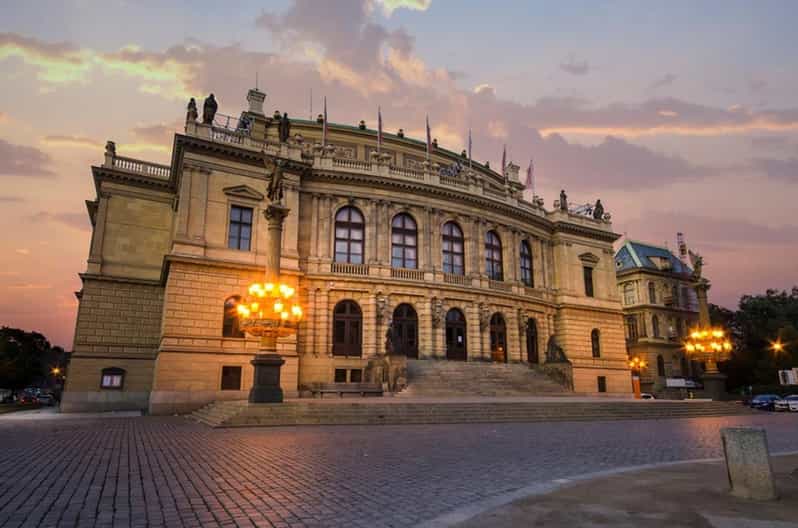
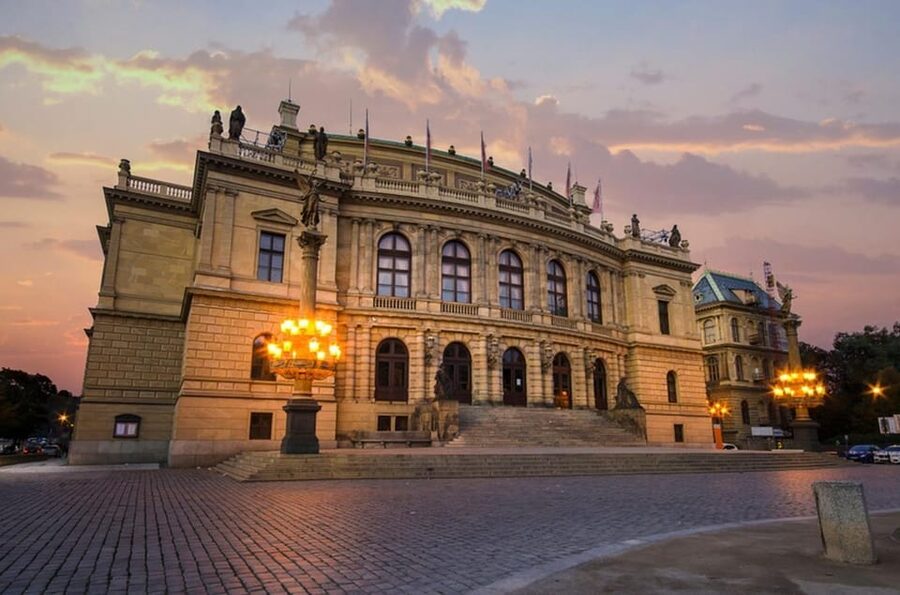
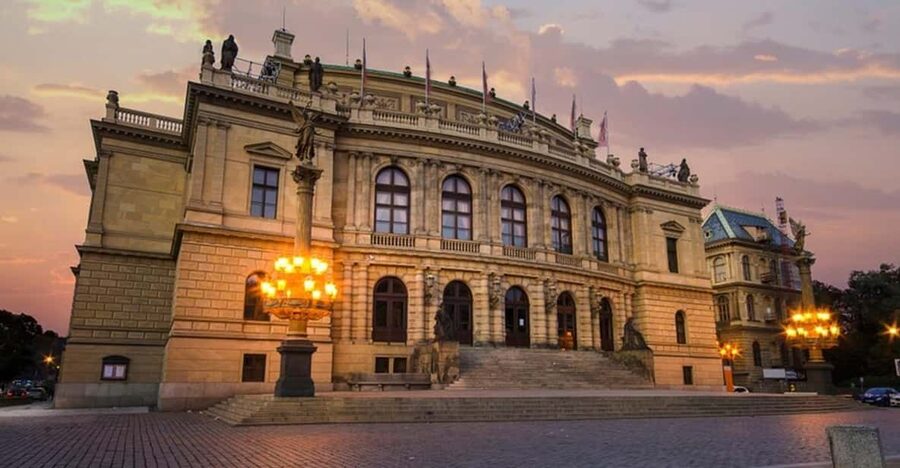
The whole experience starts with getting to the right entrance. For this concert, your meeting point is the Suk Hall entrance on the left side of the Rudolfinum. Give yourself extra time because Prague’s streets and signage can slow you down, and you will want those few minutes to get settled and comfortable.
Inside, the Suk Hall is described as pleasantly warm, which matters more than you might think. A comfortable room helps you actually listen. When the space is too cold, you end up shifting in your seat and watching the clock. Here, the setup supports relaxed attention, which is the whole point of a concert like this.
You should also plan around the fact that this is not staged like a giant event. A smaller hall means more eye contact with the performers and less sense of being swallowed by the venue. If you like the feeling of being part of the room, that is what you are buying.
More Concerts in Prague:
- Prague: Entry Ticket Classical Concert at the Mirror Chapel
★ 4.7 · 4,636 reviews - Prague: Concert at Reduta Jazz Club
★ 4.5 · 2,170 reviews - Prague: Mozart Ballroom Concert Ticket with 3-Course Dinner
★ 4.8 · 1,200 reviews
Why the Parnas Ensemble approach works for Mozart, Vivaldi, and Smetana
The performers are the internationally renowned Parnas Ensemble. They specialize in light classical music, and that specialty comes through in how they build a program. Instead of aiming for strict seriousness nonstop, they shape the evening like a guided playlist for serious enjoyment.
That focus also makes their programming practical for real people. The set includes pieces that most listeners recognize or at least instantly recognize the melody line. You get instant entry points, then you can notice nuance as the evening goes on.
There is also a credibility signal in their background. They have been invited to prestigious international congresses, including a reference performance tied to the NATO Summit in Prague in 2002. That does not change the music itself, but it helps explain why the performance quality tends to feel polished and confident.
The 65-minute musical program, track by track
This concert runs about 65 minutes, with one continuous flow of works by well-known composers. The program is a blend, not a single-composer theme, which is part of the fun. You will hear some big names associated with symphonies and full orchestras, but presented through an ensemble lens.
Here is what to listen for, in the order you are likely to encounter it:
Vivaldi’s The Four Seasons selection
You start with a selection from Vivaldi’s Four Seasons. Even as an excerpt, it is great because it is rhythm-forward and vivid. Listen for the way textures shift quickly, especially how the ensemble keeps the pulse moving even when the color changes from movement to movement.
Another way to fill an afternoon in Czechia:
- Prague: 50-Minute Sightseeing Evening Cruise
★ 4.2 · 33,780 reviews - Prague: Medieval Dinner with Unlimited Drinks
★ 4.4 · 19,847 reviews - Prague: Skip-the-line Castle Ticket and Optional AudioGuide
★ 4.3 · 11,121 reviews - Prague: Castle Tour with Local Guide and Entry Ticket
★ 4.6 · 10,422 reviews
Bizet: Carmen suite
Next comes Bizet’s suite from Carmen. Carmen music is built for feeling, not just technique. It often lands well in an intimate hall because the melodic lines can be clearly articulated without getting lost under thick orchestral volume.
Debussy: Clair de lune
Then you get Debussy’s Clair de lune. This is where the evening slows down in a good way. The appeal is in the atmosphere, the careful pacing, and the delicate control you can hear when musicians are paying close attention to dynamics.
Ravel: Boléro
After the calm comes Ravel’s Boléro, a piece famous for its build. In a smaller setting, the gradual lift feels especially tangible. You can track how repetition transforms as energy grows, and you will probably find yourself leaning forward a little as it gathers steam.
Smetana: Vltava, the Moldau moment
The program includes Smetana’s Vltava, also known as The Moldau. This is one of the evening’s biggest anchors. Hearing it in Prague has an extra layer of meaning, since the music is tied to a sense of landscape and movement. In an ensemble version, the flow still comes through, and the melodic contours can stand out more clearly than in a large orchestral wash.
Strauss: Pizzicato Polka
Then comes J. Strauss’s Pizzicato Polka, which is pure momentum. It is the kind of piece that turns attention into enjoyment fast. If you have a mix of ages in your group, this is the moment that often wins everyone over.
Mozart: A Little Night Music
Mozart’s A Little Night Music rounds out the classic crowd-pleaser side of the evening. It is bright, elegant, and easy to follow. Even if you only know it from casual listening, you can still track the structure and feel the charm without needing a music history degree.
Schubert: Ave Maria
Next you get Schubert’s Ave Maria, a more tender stop. This piece tends to highlight control and breathing, especially when the hall is warm and acoustic clarity is good. It is also a nice reset before the evening finishes with more sweeping or lyrical moments.
Bach: Air
Then there is J. S. Bach’s Air. Bach is often associated with intellectual depth, but Air is simpler in feel, more lyrical. In an ensemble format, you can hear how phrasing creates emotion, not just notes on a page.
Tchaikovsky: Waltz of the Flowers
A highlight for many people is Tchaikovsky’s Waltz of the Flowers from The Nutcracker. This is another recognizable melody, but it also shows how clean articulation matters when the music is graceful rather than loud. It is a good piece for capturing that winter-season mood.
Dvořák: Largo from the New World Symphony
Then comes Dvořák’s Largo from the New World Symphony. This is not a quick dance. It asks you to slow down and listen. It also gives the ensemble room to shape the sound with restraint, which usually makes the performance feel more mature.
Slavonic Dance
The evening ends with Slavonic Dance. This finale type usually aims for satisfaction, a final lift, and something that feels like Prague in spirit. If you like leaving a concert on a high note, this ending logic makes sense.
What the hall atmosphere feels like in practice
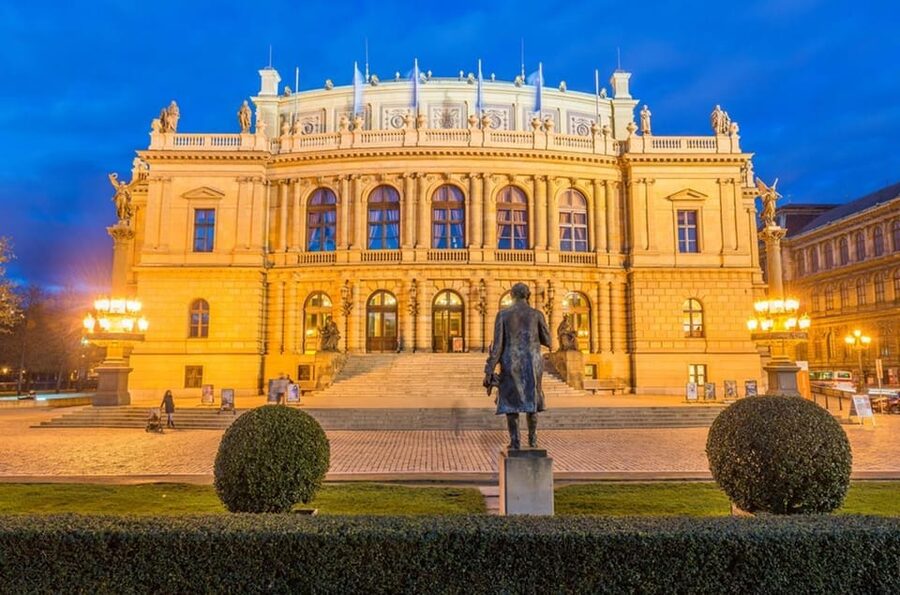
This concert is in a historic building, but the key detail is comfort. You will be in Suk Hall where the sound and temperature are described as pleasantly warm. That combination makes the evening feel like a calm family gathering rather than a stiff museum moment.
Dress level tends to be flexible in ways that suit real life. One of the surprises noted by people who attended is that you might see both people dressed up and others in casual clothes. So wear what makes you comfortable, but if you like the idea of getting a little dressed for a night out in Prague, this is a good fit.
The other practical reality: because this is an intimate hall, seating matters more. You are not just looking at a stage from far away. You will likely notice facial expressions and bowing gestures. That closer perspective is one of the strongest reasons to choose this kind of concert instead of only big-ticket, big-hall performances.
Price and value, especially if you expected a full orchestra
Tickets are listed at about $65 per person, and that is the part you should think about before you book. In general, the value depends on what you want from the evening.
Here is the honest trade-off:
- If you want the volume, scale, and visual impact of a big symphony orchestra, an ensemble concert can feel like it costs too much.
- If you want great musicianship, recognizable music, and a cozy atmosphere where you can actually hear what is happening, the price often starts to look more reasonable.
A key expectation-setting point: this show happens in the Suk Hall, not the Rudolfinum’s larger main hall. That matters because a smaller room changes how the performers sound and how you experience them. Some people love that closeness immediately. Others come in hoping for something more grand and orchestral.
Still, the program is strong. It mixes major composers across eras, and it includes some of the most famous anchors for classical beginners, like Mozart, Vivaldi, and Smetana, plus familiar touches like Tchaikovsky’s Nutcracker material. If your goal is an evening you can enjoy without homework, you are in the right place.
Who should book this Prague concert
This concert fits best if you match one of these profiles:
You are traveling with friends or family and want an easy shared activity. The program is built from well-known classics, and it runs about 65 minutes, so it works even if someone is not a die-hard classical fan.
You are a classical beginner. This kind of evening gives you a guided taste of many composers, with gentle entry points. The tender pieces like Clair de lune and Ave Maria make it more than background music.
You want a close-up performance experience. The Suk Hall setup supports listening, not just watching.
You might skip it if you are chasing a big symphony night. If you specifically want a large orchestra and a main hall spectacle, you may feel shortchanged by the intimate ensemble format.
The good news is that the concert is led by a group with a serious international profile, so you should expect competent, confident playing, not a casual community performance.
Practical tips for a smooth evening
Plan to arrive early enough to find the Suk Hall entrance on the left side of the Rudolfinum without stress. Once you are seated, the best strategy is simple: put your phone away, and let the first few minutes set the mood.
If you care about hearing clarity, choose seats that are not too far from the performers. In an intimate hall, small differences in position can make a noticeable impact on how balanced the sound feels.
Also, consider what you will do before the concert. Since it is 65 minutes, you do not need an all-day commitment, but you do want enough time for a calm pre-concert walk. A short stroll helps you shed the rush of Prague sightseeing and actually take in the music.
The concert is associated with a named activity provider, Mgr. Silvie Tycová. That helps explain why the event tends to feel organized, even when the setting is relaxed.
Should you book this Rudolfinum concert?
Book it if you want an intimate Prague classical evening with Mozart, Vivaldi, and Smetana in the mix, plus a set of recognizable favorites that keeps attention without dragging. The Suk Hall atmosphere, the warm comfort, and the ensemble format are exactly what you want if you value closeness and great listening.
Consider passing or choosing a different concert if your top priority is a large, main hall symphony experience. This is an ensemble show, and the room size is part of the trade-off.
If you are the type who likes classics but also appreciates variety across composers, this evening is a smart, low-risk way to add music to your Prague trip.
FAQ
Where is the meeting point for the concert?
You meet at the Suk Hall entrance on the left side of the Rudolfinum.
How long is the concert?
The concert duration is listed as 65 minutes.
How much are tickets?
Tickets are listed at about $65 per person.
What is included with the ticket?
The ticket includes admission to the concert with a dedicated seat.
Can I cancel and get a full refund?
Yes. Full cancellation is available up to 24 hours in advance for a refund.
Can I reserve now and pay later?
Yes. You can reserve now and pay later, so you do not have to pay at the time of booking.
Just added around Prague
- WWII and Communism History in Prague’s Old Town Private Tour★ 5.0 · 4 reviews
- Prague: Historical Walking Tour with Focus on World War 2★ 4.3 · 12 reviews
- World War II 4WD Tour from Prague with Lunch★ 4.4 · 3 reviews
- World War II History Tour of Prague’s Old Town★ 5.0 · 4 reviews
- Walking tour of Prague in French : Nové Město★ 4.9 · 16 reviews
- Walking tour of Prague in french: Old Town & Charles Bridge★ 4.9 · 62 reviews
- Organ Concert in St Francis Church Admission Ticket★ 4.5 · 88 reviews
- Unique salt cave in Prague★ 4.9 · 10 reviews
Concerts, compared.
Entry Ticket Classical Concert at the Mirror Chapel
Read our review →
Mozart Ballroom Concert Ticket with 3-Course Dinner
Read our review →
Prague Castle: Midday Classical Concert at Lobkowicz Palace
Read our review →
Browse the lists this tour appears in