
Review · COOKING CLASSES
Prague: Traditional Czech Baking Class
Flour, fruit, and a pink room in Prague. I love the chance to make apple strudel with homemade puff pastry and learn Czech baking step by step. I also love the silly-fun ball pits downstairs while the dough rests. One catch: it runs weekday mornings, so it may not fit every schedule.
With a small group limited to 10 and instruction in English or Czech, you get real guidance instead of watching from the sidelines. Everything needed for the class is provided, including aprons and printed recipes, plus speciality coffee and homemade lemonades.
In This Review
- Key Points You’ll Care About Before You Book
- A Pink Meeting Spot, a Warm Welcome, Real Hands-On Baking
- What You Bake in Prague: Strudel and Seasonal Fruit Cakes
- 25 Minutes of Czech Baking Traditions Before You Touch Dough
- The Two-Hour Hands-On Session: From Dough to Apple Strudel
- Homemade puff pastry for strudel
- Practical approach you can use at home
- Seasonal Fruit Cakes: Handmade Dough and a Different Kind of Sweet
- Why this second bake is a smart add-on
- The Ball Pit Breaks: 5 Interactive Stops While Dough Proves
- Drinks and Take-Home Packaging: What Happens After Baking
- Price and Value: Is 1,650 Kč Fair for Prague?
- Small Group Size and Instructor Support: Why It Feels Manageable
- Who This Prague Baking Class Is Best For
- Should You Book This Prague Traditional Czech Baking Class?
Key Points You’ll Care About Before You Book
- Two iconic bakes: apple strudel with homemade puff pastry, plus seasonal fruit cakes with handmade dough
- You get everything: ingredients, equipment, aprons, and take-home packages
- A 25-minute traditions intro sets context before you start mixing
- Five interactive ball pits break up the timing between proofing stages
- Small group size capped at 10 means you can ask questions and get feedback
A Pink Meeting Spot, a Warm Welcome, Real Hands-On Baking
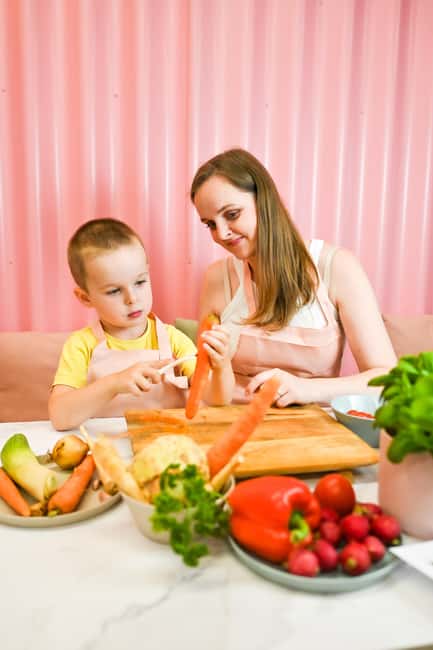
This is the kind of Prague activity that makes you slow down and do something practical. You meet at a very pink place that is supposed to be easy to recognize, then you settle in for a 3-hour experience that blends learning with actual kneading, rolling, and shaping.
What makes it feel special is the format. You are not just sampling sweets. You are making them. And because the class is limited to 10 participants, the instructor can guide you through the tricky moments without leaving you guessing. If you like workshops where you leave with skills, not just photos, this is a good match.
One small practical note: you will spend time standing and working with dough. Wear clothes you do not mind getting floury. Aprons are provided, but dough can still be a little enthusiastic.
A few more Prague outings to weigh up
- Cooking Czech Menu with Chef
★ 5.0 · 61 reviews - Prague: Traditional Czech Cooking Class with Market Tour
★ 4.6 · 53 reviews - Prague Cooking Class Including Market Visit and 3-Course Lunch
★ 4.5 · 22 reviews
What You Bake in Prague: Strudel and Seasonal Fruit Cakes
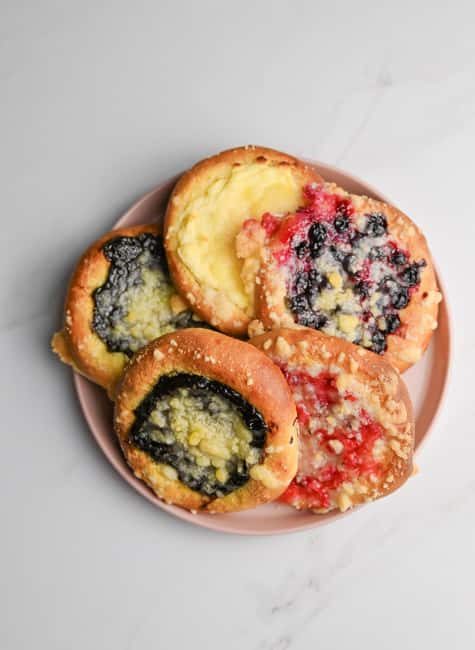
The class is built around two classic Czech pastries. First up is apple strudel, including homemade puff pastry. That matters because good strudel starts with dough that is rolled and layered correctly. Second, you make seasonal fruit cakes using handmade dough as well.
Instead of a single quick recipe, you get two different baking styles in one session. That’s a win for value. It also makes the time fly, because you are moving from one technique to the next.
Here is what you can expect in plain terms:
- You learn how the dough should feel and behave as you work it.
- You assemble desserts, then bake and wait for the oven stage.
- You take your finished goodies away in provided packages, with printed recipes to recreate them later.
The fact that both items use handmade dough is also a good sign for authenticity. This is closer to learning how Czech sweets are made at home than taking part in a simplified tourist version.
25 Minutes of Czech Baking Traditions Before You Touch Dough
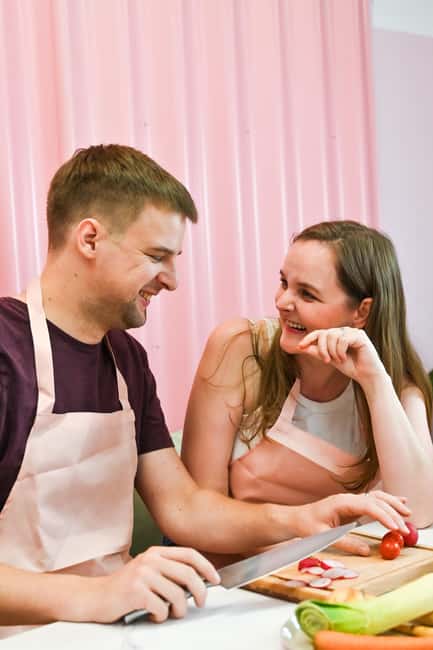
Before the hands-on time begins, you get a 25-minute introduction focused on Czech baking traditions. The goal is to give you a framework: why these sweets work, how people think about them, and what makes them distinctly Czech.
This is not just a lecture. It sets you up for better baking because you understand what the instructor is aiming for as you make your pastries. When you know what good dough should do, you can make adjustments instead of stressing out every time something feels slightly different.
Think of this intro as your mental warmup. It is short enough to keep things lively, but it helps you pay attention during the practical part.
The Two-Hour Hands-On Session: From Dough to Apple Strudel

Once the intro is done, you jump into the 2-hour hands-on baking class. The instructor guides you through each stage, and a big reason this feels easy for beginners is that the steps are broken down clearly.
A helpful detail from what people said afterward is that the instructor walks you through each step and that a lot of things are pre-measured. That means fewer pauses and less improvising with ingredients you are not used to.
Another way to fill an afternoon in Czechia:
- Prague: 50-Minute Sightseeing Evening Cruise
★ 4.2 · 33,780 reviews - Prague: Medieval Dinner with Unlimited Drinks
★ 4.4 · 19,847 reviews - Prague: Skip-the-line Castle Ticket and Optional AudioGuide
★ 4.3 · 11,121 reviews - Prague: Castle Tour with Local Guide and Entry Ticket
★ 4.6 · 10,422 reviews
Homemade puff pastry for strudel
For strudel, the class emphasizes homemade puff pastry. You will work on the dough, roll and shape it, then build the strudel with apple filling. Expect focus on technique and timing. Puff pastry is not complicated when someone explains it well, but it can be fiddly if you are learning from scratch.
Practical approach you can use at home
Even if you never bake strudel again, you will likely take away a mental checklist:
- Work patiently and keep dough manageable.
- Follow the instructor’s guidance on texture and thickness.
- Trust the process during proofing and baking, because the dough needs those stages to behave properly.
That kind of learning sticks. It is the difference between tasting a pastry and understanding how it becomes pastry.
Seasonal Fruit Cakes: Handmade Dough and a Different Kind of Sweet

After the strudel steps, you switch gears to seasonal fruit cakes. These are made with handmade dough too, so you get more than one lesson in dough handling.
Because the fruit cakes are seasonal, the class is designed around what is appropriate for the season rather than one fixed menu year-round. That means you are making something that feels connected to Czech food rhythm, not just a generic dessert.
Why this second bake is a smart add-on
If you are the type who thinks, I only want to bake one thing, this would still be worth it. Here’s why:
- You practice another dough technique instead of repeating the same actions.
- You compare how different dough and filling styles bake up.
- You get two different textures and flavors in what you take home.
By the end, you are not leaving with one recipe. You are leaving with options, plus printed instructions.
The Ball Pit Breaks: 5 Interactive Stops While Dough Proves
One of the most memorable features is the in-between timing. Baking takes time. Dough rests. Proofing happens. Waiting can be boring, especially when you are working with a schedule.
To fix that, this class includes 5 interactive ball pits downstairs. People like this because it keeps the mood light while you wait for dough stages. You are not stuck standing around. You can reset, move a bit, and make the wait feel like part of the activity.
You should treat this as a playful bonus, not the main event. The real value is learning the sweets. But the ball pits do make the experience feel unique and different from a standard cooking class.
Drinks and Take-Home Packaging: What Happens After Baking
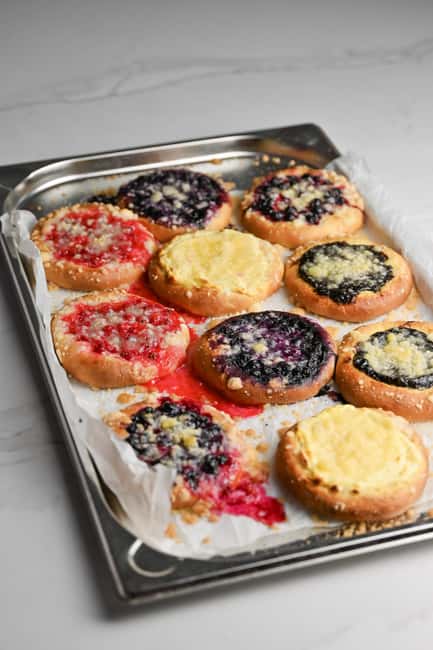
Once your pastries are baked, you do not just pack up empty-handed. The class includes:
- packages for your baked products
- print out recipes
- speciality coffee and homemade lemonades
This combo is a big practical win. The packages help you transport without turning your strudel into a crumble situation. The recipe printouts are what let you bake again later, which is how a food experience becomes real value, not a one-time event.
The drinks are also part of the comfort. You can refuel during the session and still keep things centered on the class. And since lemonades are included, you are not stuck making a choice about what to drink after you are done baking.
Price and Value: Is 1,650 Kč Fair for Prague?
At 1,650 Kč per person (listed around $80), you are paying for more than instruction. The best way to judge this is to look at what is included versus what you would otherwise pay for.
You get:
- all ingredients and equipment
- aprons
- packages for what you bake
- print out recipes
- speciality coffee and home made lemonades
- the 25-minute Czech baking traditions intro
- a 2-hour hands-on class in a small group (up to 10)
When a class includes ingredients and equipment, it usually means you are not buying a bunch of supplies just to learn one recipe. That lowers the hidden costs and makes it a straightforward splurge.
Is it cheap? No. But it is not just a tasting. You are actively making two Czech favorites and leaving with a tangible result. For that kind of hands-on time, plus the extras like recipe printouts and take-home packaging, the value feels solid.
Small Group Size and Instructor Support: Why It Feels Manageable
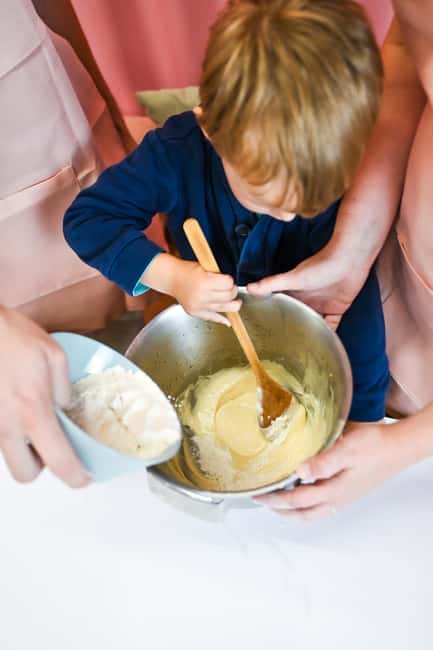
A lot of cooking classes feel chaotic when the group is large. Here, the class is limited to 10 participants. That changes everything.
With fewer people in the room:
- you can ask questions without interrupting a long demonstration
- you can get correction when something looks off
- you spend more time actually baking, not waiting for your turn
The instructor speaks English and Czech, so you have options if you want to ask follow-up questions. Clear instructions and support are especially important when you are learning dough work like puff pastry, where small differences can change the final result.
Also, the class runs on weekday mornings. That can be a pro if you like quieter mornings and want something active early in the day. It can be a con if you prefer late starts or are not in Prague on weekdays.
Who This Prague Baking Class Is Best For
This is a good fit if you:
- want a hands-on Prague food experience, not a show
- like learning practical cooking technique, especially Czech sweets
- enjoy small groups where the instructor can help you move past mistakes
- want take-home recipes and packaged baked goods
It is also a strong choice for couples, since the minimum group size is 2 people. If you want something active to break up your sightseeing rhythm, this gives you a different kind of Prague memory.
If you are traveling with very young children, note the age limits: it is not suitable for children under 2, and babies under 1 are also not suitable. People over 95 are not suitable either. Wheelchair users are not listed as suitable.
Should You Book This Prague Traditional Czech Baking Class?
I think you should book it if you want something memorable and practical, with the fun twist of ball pit breaks. The combination of homemade apple strudel with puff pastry, plus seasonal fruit cakes made with handmade dough, gives you more than one real technique to take home. Add in the included ingredients, equipment, aprons, coffee, lemonades, and recipe printouts, and it feels like a workshop built for beginners and for people who want to bake for real.
Skip it if a weekday morning schedule does not work for you, or if you need wheelchair accessibility. Also skip it if you are looking for a quick snack and are not interested in hands-on work.
If you can make the timing, it is one of those Prague activities that pays you back in both skill and pastries.
Just added around Prague
- WWII and Communism History in Prague’s Old Town Private Tour★ 5.0 · 4 reviews
- Prague: Historical Walking Tour with Focus on World War 2★ 4.3 · 12 reviews
- World War II 4WD Tour from Prague with Lunch★ 4.4 · 3 reviews
- World War II History Tour of Prague’s Old Town★ 5.0 · 4 reviews
- Walking tour of Prague in French : Nové Město★ 4.9 · 16 reviews
- Walking tour of Prague in french: Old Town & Charles Bridge★ 4.9 · 62 reviews
- Organ Concert in St Francis Church Admission Ticket★ 4.5 · 88 reviews
- Unique salt cave in Prague★ 4.9 · 10 reviews
Cooking Classes, compared.
Traditional Czech Cooking Class with Market Tour
Read our review →
Prague Cooking Class Including Market Visit and 3-Course Lunch
Read our review →
Discover Czech Cuisine: Cooking Class & Dinner in Historic Home
Read our review →
Learn Traditional Czech Cooking from Authentic Family Recipes
Read our review →Browse the lists this tour appears in