
Review · TEREZIN MEMORIAL TOURS
Terezin concentration field excursion
Fortress walls teach you fast. This 6-hour, Spanish-guided excursion in and around Terezín connects the memorial mission to the exact spaces where Nazi political and racial persecution unfolded. I like that you do not just read plaques, you follow a guided route that helps you understand how the site changed roles over time, from a late-1700s fortress to something used to destroy lives.
I also really value the way the tour pairs the main fortress Jewish ghetto story with the smaller fortress linked to Lecca resistance. One possible drawback is that the subject matter is heavy and can feel emotionally intense, so it helps to go with a calm mindset and be ready for a long, somber day.
In This Review
- Key points to know before you go
- Terezín Memorial, why this excursion matters
- Price and value: is $68 fair for 6 hours?
- The day plan starts at 9:00 from V Celnici 4
- On the way in: the Anthropoid Operation monument and context
- Terezín Memorial and Ghetto Museum: names, facts, and a guided walk
- Main fortress as the Jewish ghetto: seeing the city inside a city
- Ghetto versus field: why the guide makes you compare them
- The concentration camp route: administrative courtyard to prisoners area
- Casematas de la Fortaleza and the shooting field
- The smaller fortress and Lecca resistance
- What makes the guide experience feel respectful
- Who this tour suits best, and who might think twice
- Practical tips so you get the most out of 6 hours
- Should you book the Terezín concentration field excursion?
- FAQ
- How long is the Terezín concentration field excursion?
- What is the meeting point for this tour?
- What time does the excursion begin?
- How much does it cost?
- What languages is the live guide offered in?
- What is included in the price?
- What will I see during the tour?
- Is the tour accessible for wheelchair users?
- Are pets allowed on the tour?
- What is the cancellation policy?
Key points to know before you go
- Eric the guide is a standout, with bookings praising clear, respectful explanations.
- You see both fortresses, including the main Jewish ghetto and the smaller Lecca resistance area.
- The route follows how prisoners moved, starting in an administrative courtyard.
- You get interpretation built into transit, including the Anthropoid Operation monument.
- The tour is 6 hours, which is a full half-day for this kind of topic.
- Spanish is the live guide language, so plan around that.
Terezín Memorial, why this excursion matters
Terezín is not a casual history stop. It is a memorial site created to commemorate people persecuted under Nazi occupation in Czech lands during World War II, including victims of both political and racial persecution. The Terezín Memorial institution focuses on remembrance through museum work, research, and education, plus visits to related commemorative sites.
What I like most is that the excursion treats the fortress as more than a backdrop. You learn that the fortress began as a modern structure at the end of the 18th century, then its function changed over the years. That shift is one of the keys to understanding why Terezín is such a powerful symbol, and why the guide spends time putting what you see into context before you move deeper into the grounds.
More Terezin memorial trips:
- From Prague: Terezin Concentration Camp Guided Tour w/ Audio
★ 4.6 · 2,248 reviews - From Prague: Tour of Terezin Concentration Camp
★ 4.4 · 1,269 reviews - Terezin Concentration Camp Day Tour from Prague
★ 4.0 · 1,007 reviews
Price and value: is $68 fair for 6 hours?
At $68 per person, this tour sits in a reasonable midrange for a guided memorial visit that includes round-trip transportation and entries. The value comes from three things you are paying for: a live guide, access to the memorial facilities, and a structured route that follows the same kind of movement prisoners experienced.
If you are the type who likes to learn from an actual person, not just a self-guided audio app, the guide service is the core of the bargain. And if you are sensitive to time, 6 hours is long enough to cover the main fortress, museum stops, and the related grounds, without turning into an all-day grind.
The day plan starts at 9:00 from V Celnici 4
Your excursion meets at V Celnici 4, and the itinerary begins at 9:00 in the morning. That timing matters because it gives you a full block of daylight for walking and visiting multiple areas inside and around the memorial grounds.
You are also not left to manage logistics. Round-trip transportation is included, which is a big deal for this kind of destination where the route and stops matter. If you prefer not to plan transportation yourself, this is one of the easiest ways to see the site in a logical order.
On the way in: the Anthropoid Operation monument and context
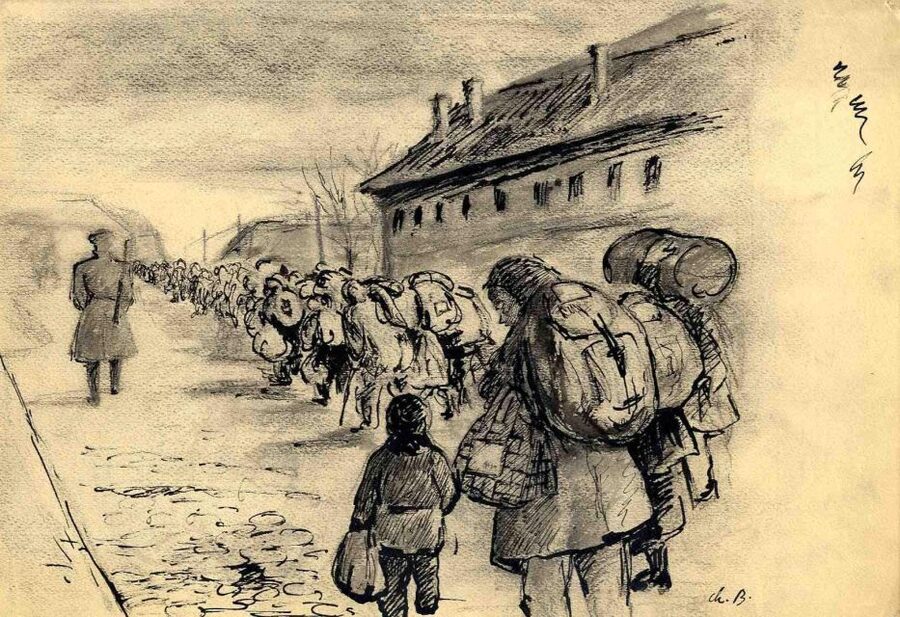
One of the best parts of the tour is that the story does not start only after you park. On the route out, you pass a monument to the actors of the Anthropoid Operation, and the guide uses that moment to set the historical frame before Terezín fully takes over your attention.
From there, you keep receiving interpretive stops and explanations. The tour includes what feels like a carefully paced buildup: historical and technical details are shared during the journey, so when you finally enter the main fortress, the place makes more sense. I found that approach helps you avoid the common problem of standing in front of buildings and only half understanding why they matter.
Another way to fill an afternoon in Czechia:
- Prague: 50-Minute Sightseeing Evening Cruise
★ 4.2 · 33,780 reviews - Prague: Medieval Dinner with Unlimited Drinks
★ 4.4 · 19,847 reviews - Prague: Skip-the-line Castle Ticket and Optional AudioGuide
★ 4.3 · 11,121 reviews - Prague: Castle Tour with Local Guide and Entry Ticket
★ 4.6 · 10,422 reviews
Terezín Memorial and Ghetto Museum: names, facts, and a guided walk
Once you reach the main fortress area, the excursion takes almost an hour to get there, then you move into the Terezín Memorial and Ghetto Museum. Expect a photo stop plus a guided tour inside the museum.
The museum portion focuses on people and meaning. You are guided to learn names, facts, and the ways events unfolded. That matters because memorial sites can sometimes turn into vague “tragedy sightseeing.” This one aims to prevent that by building a clearer picture of who was affected and what those systems were designed to do.
If you like structure, you will appreciate how the museum segues into what you will see next outdoors. The tour is designed so you do not jump around. You build an understanding, then test it against the physical route in the fortifications.
Main fortress as the Jewish ghetto: seeing the city inside a city
The tour’s highlights mention the main fortress as the Jewish ghetto, and that is exactly the lens you get as you move through the grounds. The guide explains the logic of how the entire city functioned as a ghetto, which helps you understand the scale and intent, not just the walls.
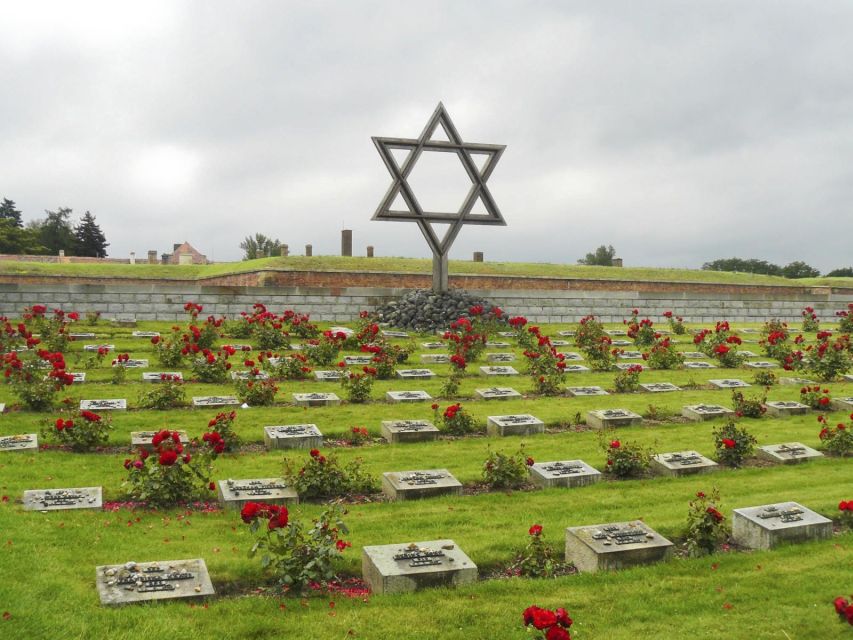
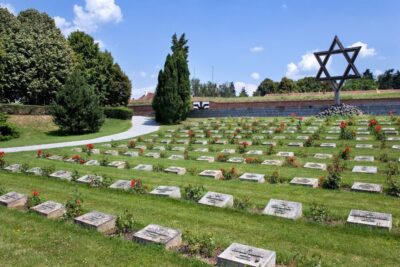
You also get interpretation at the cemetery complex. You will listen to figures, motives, and methods, and then the tour continues into the memorial spaces where the guide explains how the story is organized. I like this portion because it connects personal and historical information rather than treating them as separate tracks.
A practical thought: this section can feel dense. Take breaks when you can, and do not rush your attention. If you try to speed through, you miss what the guide is trying to help you grasp.
Ghetto versus field: why the guide makes you compare them
One of the most instructive steps is the explanation of the differences between a ghetto and a field, given during your visit to the national cemetery area. It is easy to lump all sites together, but this tour explicitly separates the concepts so you can recognize how Nazi systems worked differently depending on place and function.
Then you visit the concentration camp following the same route prisoners followed, starting from the administrative courtyard. That sequencing is important. Starting with administration helps you understand that imprisonment and extermination were not accidental events. They were organized.
The concentration camp route: administrative courtyard to prisoners area
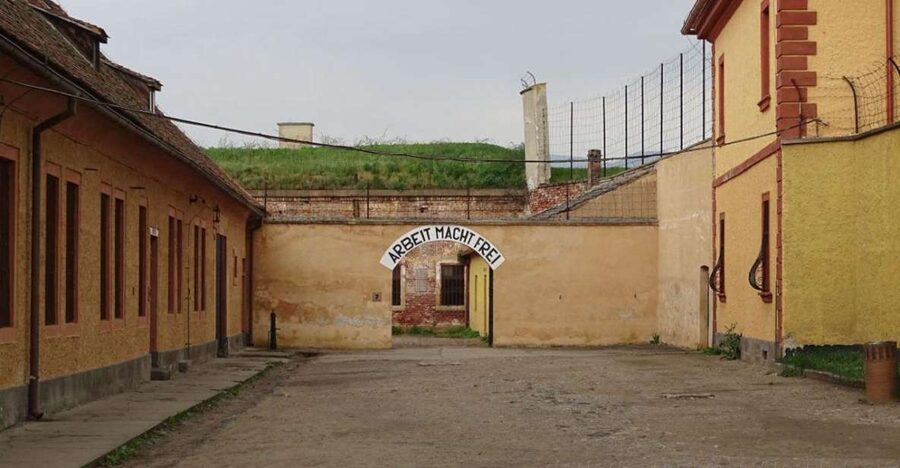
After you move from the cemetery explanation, the tour enters the concentration camp route. The guide has you follow the path beginning at the administrative courtyard, which gives you a sense of how the site was laid out for control and movement.
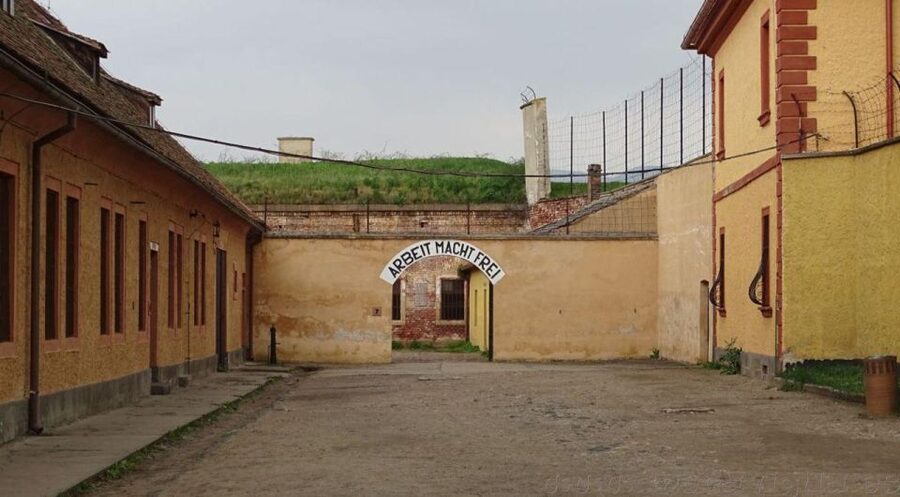
You then pass through the area connected to Arbeit Macht Frei. The guide’s narration helps put that phrase into the broader system you are witnessing, not as a slogan but as part of the machinery of deception and oppression.
From there, you reach the prisoners’ area. Even without going into graphic details, the experience is designed to help you see what it meant to be processed through stages. You are not just looking at “buildings.” You are walking through an order of operations.
Casematas de la Fortaleza and the shooting field
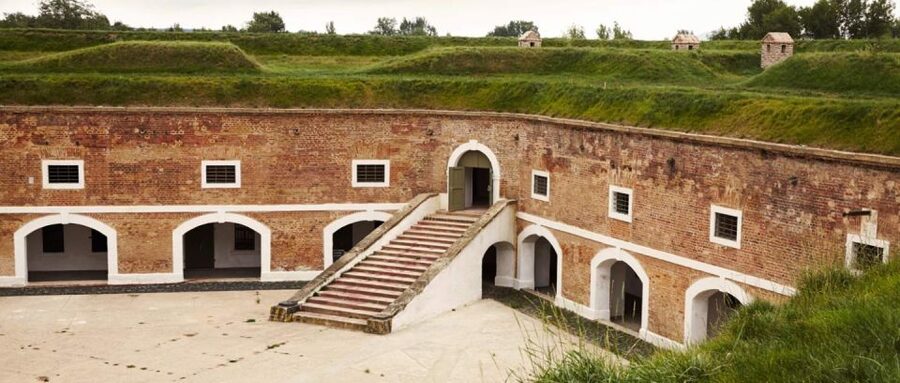
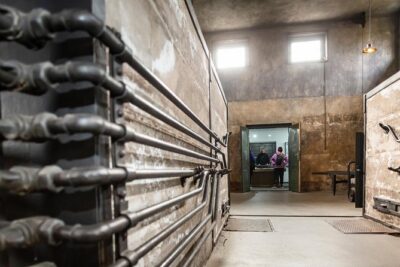
The tour includes stops through Casamatas de la Fortaleza (casemates within the fortress structure). This is one of those places where architecture does more than shelter. It shapes how people were held, managed, and contained.
After the casemates, you reach the shooting field and continue to a part of the residential area. This layout makes the excursion feel complete in a difficult way: it shows that the violence was integrated into a broader environment where normal routines were distorted into something terrifying.
Emotionally, I recommend giving yourself permission to pause. If you feel overwhelmed, step back for a moment and let the guide’s words settle. You are learning history, but you are also being asked to hold something tragic in your head while you walk through the rooms where it happened.
The smaller fortress and Lecca resistance
The highlights call out the small fortress as the field of Lecca resistance, and this is an important counterpoint. It matters because it expands your understanding beyond victimhood alone. Resistance is part of the full historical picture of how people responded under occupation.
Because the tour is guided, you do not just see the place. You get explanations tied to why this area is remembered. That blend can be heavy, but it also helps avoid a one-note experience.
What makes the guide experience feel respectful
The tour provider is Los Torres s.r.o., and the language is Spanish, which you should plan for upfront. In the bookings I reviewed, one name came up repeatedly: Eric.
The praise for Eric is consistent: clear explanations and a respectful tone while explaining life during Terezín’s use as a concentration camp. That kind of guide skill matters here more than at most museums. When the topic is difficult, you need a narrator who can keep facts clear without turning the experience cold or sensational.
If you speak Spanish well enough to follow history commentary at pace, you will likely get a lot out of this format. If Spanish is a stretch, you might still manage using the route and museum context, but the full value relies on understanding the guide.
Who this tour suits best, and who might think twice
This excursion is a strong match if you want a guided, structured memorial experience that connects museum information to how the grounds are organized. It is also a good fit if you like learning in a route-based way, where the story moves with you from stop to stop.
I would think twice if you are expecting something light or purely sightseeing. The content is explicitly tied to Nazi political and racial persecution, and it is emotionally weighty by nature. Also, because the guide is in Spanish, you should be comfortable enough to follow.
Practical tips so you get the most out of 6 hours
You will spend a lot of your day inside and around fortress grounds, following a defined sequence. Wear comfortable shoes, and dress for changing weather, since fortifications and outdoor areas can feel cooler or windier than you expect.
Bring a notepad or use your phone for quick reminders if you like to process information later. The route includes multiple segments: museum, cemetery explanations, administrative areas, casemates, and the shooting field, so short notes can help you remember the guide’s key points.
Finally, give yourself mental pacing. This is not the kind of place where you should multitask. If you keep your attention on the guide and the spaces, the experience will land in a more meaningful way.
Should you book the Terezín concentration field excursion?
Yes, if you want a guided route that connects the memorial mission to real spaces, and you prefer learning with a live guide. The biggest reason to book is value through structure: a 6-hour itinerary with transportation and entries, designed to walk you through the story from museum understanding to the prisoner-route layout.
Skip it or approach carefully if you are not ready for heavy historical subject matter, or if Spanish narration will be difficult for you. If those are your only concerns, you can still consider it, but plan for a serious, focused day rather than a casual outing.
If you choose to go, I’d go in expecting a respectful, guided experience where the guide helps you see how systems worked, not just that they happened.
FAQ
How long is the Terezín concentration field excursion?
The duration is 6 hours.
What is the meeting point for this tour?
The starting location is V Celnici 4.
What time does the excursion begin?
It begins at 9:00 in the morning.
How much does it cost?
The price is $68 per person.
What languages is the live guide offered in?
The live tour guide speaks Spanish.
What is included in the price?
Included are guide service, round trip transportation, and entries in the facilities.
What will I see during the tour?
You will visit the Terezín Memorial, including the ghetto museum, see the memorial to National Czech suffering, and explore the fortresses tied to the Jewish ghetto and the Lecca resistance area.
Is the tour accessible for wheelchair users?
Yes, it is wheelchair accessible.
Are pets allowed on the tour?
No, pets are not allowed.
What is the cancellation policy?
You can cancel up to 24 hours in advance for a full refund.
Just added around Czechia
- Wroclaw to Prague: 2-in-1 (Private Transfer + Country Tour)★ 5.0 · 4 reviews
- WWII and Communism History in Prague’s Old Town Private Tour★ 5.0 · 4 reviews
- Prague: Historical Walking Tour with Focus on World War 2★ 4.3 · 12 reviews
- World War II 4WD Tour from Prague with Lunch★ 4.4 · 3 reviews
- World War II History Tour of Prague’s Old Town★ 5.0 · 4 reviews
- Wroclaw: Giant Mountains & Valley of Palaces Day Tour★ 4.6 · 37 reviews
- Bratislava: Prague & Brno Photography Tour with Transfer★ 4.5 · 4 reviews
- Walking tour of Prague in french: Old Town & Charles Bridge★ 4.9 · 62 reviews
Terezin Memorial Tours, compared.

Terezin Concentration Camp Guided Tour w/ Audio
Read our review →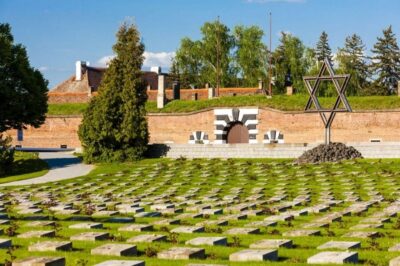
Terezin Concentration Camp Day Tour from Prague
Read our review →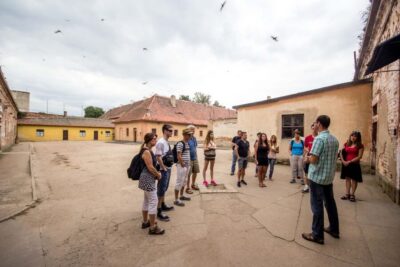

Terezin & Bohemian Switzerland from Prague: Bastei, Narnia & Café
Read our review →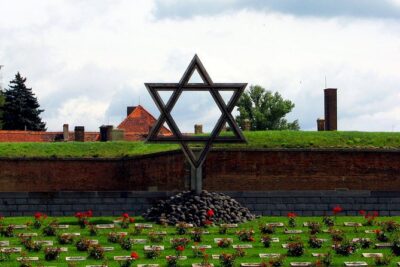
Browse the lists this tour appears in