
Review · COMMUNISM & COLD WAR TOURS
Prague: Communism History and Nuclear Bunker Guided Tour
A bunker tour changes how you read history. This Prague experience connects communism-era streets to a real 1950s nuclear bunker that was built to protect civilians.
I especially like the human stories you get from guides such as Stan, Ladislav, Pavel, and Maki, many with firsthand memories of the communist period. I also like the hands-on gasmask workshop, which makes the Cold War feel less abstract and more real.
One drawback to plan for: it is a walking tour with stairs and it is not suitable for wheelchair users or anyone with claustrophobia, since you go underground.
In This Review
- Key things to know before you go
- Communism in Prague, told where it happened
- The rhythm of the route: walking, then a tram to the bunker
- Velvet Revolution Memorial and the landmarks that frame the story
- From the secret-police mindset to the nuclear threat
- The 1950s nuclear bunker: 50 feet underground and built for thousands
- Museum exhibits and the gasmask workshop that makes it tangible
- Guides make the difference, especially when they lived it
- Price and value: what 44 dollars buys you in real experience
- Who should book, and who should skip it
- Should you book the Prague Communism History and Nuclear Bunker tour?
- FAQ
- How long is the Prague communism and nuclear bunker guided tour?
- What languages is the guide available in?
- Do I need to speak the tour language?
- Is the tour wheelchair accessible?
- Are there toilets at the starting point?
- Is food included?
- Can I record video during the tour?
- What is included in the ticket price besides the guide?
Key things to know before you go
- A real 1950s bunker, about 50 feet underground, with Cold War displays and genuine equipment
- Firsthand guide storytelling from locals who lived through the communist era, often with humor
- Cold War context in central Prague, including stops tied to the communist security state and major landmarks
- A museum visit plus a gasmask workshop, so you experience the theme, not just read about it
- Tram and walking time to reach the bunker, which helps you feel Prague as a lived-in city
- Not for mobility needs or claustrophobia, and there are no toilets at the starting point
Communism in Prague, told where it happened
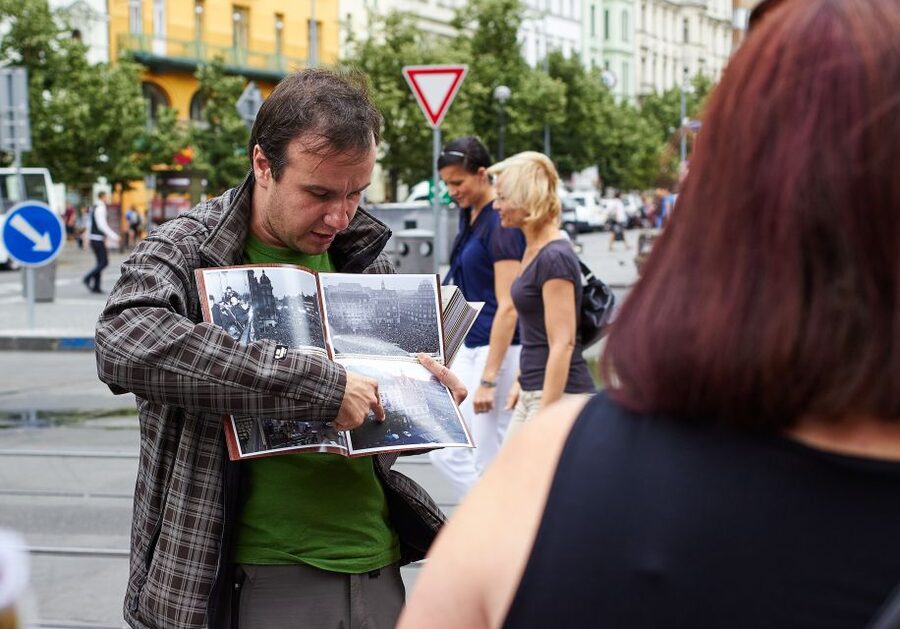
This tour is built for people who want more than museum labels. You start with a short guided walk through central Prague and key political landmarks, where the communist era is not just a topic, it is part of the city’s geography. You hear how Czechoslovakia slid into a system of control, paranoia, and surveillance, and you connect that story to what you are actually seeing on the streets.
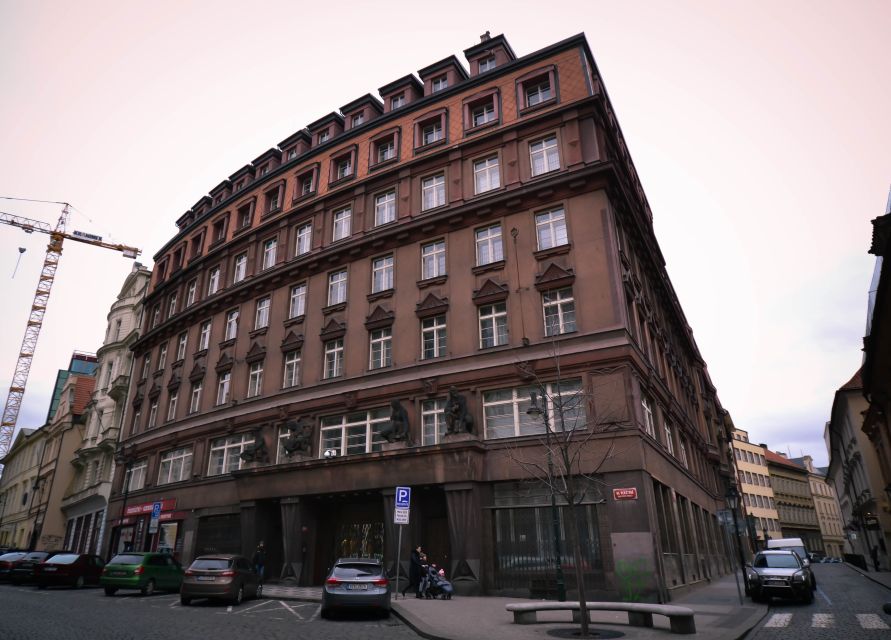
What makes this approach click is the mix of big-picture facts and street-level details. You get talk about the era of spies, political prisoners, dissidents, and Cold War refugees, and you also get concrete references like the former headquarters of the communist secret police and the huge Stalin statue that once dominated Prague’s image.
I like that the tone often stays practical. The story can be grim, but the guides often use plain language and personal examples, and several guests specifically call out guides like Ladislav, Pavel, and Stan for making the history easier to understand without turning it into a lecture.
More Communism-era tours in Prague:
- Prague Communism History and Nuclear Bunker Tour
★ 5.0 · 1,742 reviews - Communism & Nuclear Bunker Tour + 70s Canteen Lunch (own expense)
★ 5.0 · 1,036 reviews - Prague: Museum of Communism Entrance Ticket
★ 4.4 · 576 reviews
The rhythm of the route: walking, then a tram to the bunker
Logistically, this is a walk-and-ride day. You do an initial guided segment in the city, then you transfer by public transport to the nuclear bunker, and later you finish with another short guided segment back in central areas.
That tram portion matters more than it sounds. It is not just getting from point A to point B. It helps break the day into mental chunks, and it gives you a real sense of Prague beyond the busiest blocks. Multiple guests highlight this as one reason the experience felt more authentic, because you are moving through everyday city life while the guide anchors what you see to the past.
Plan for real walking. The tour is not suited to wheelchair users, baby strollers, or anyone with mobility limitations. It is also not for people with heart issues or attention disorder, and it is not for claustrophobia, which is especially relevant once you go far underground.
Also keep in mind the basic comfort stuff. You should wear comfortable shoes, and note that there are no toilets at the starting point. That detail sounds small, but it can save you stress later.
Velvet Revolution Memorial and the landmarks that frame the story
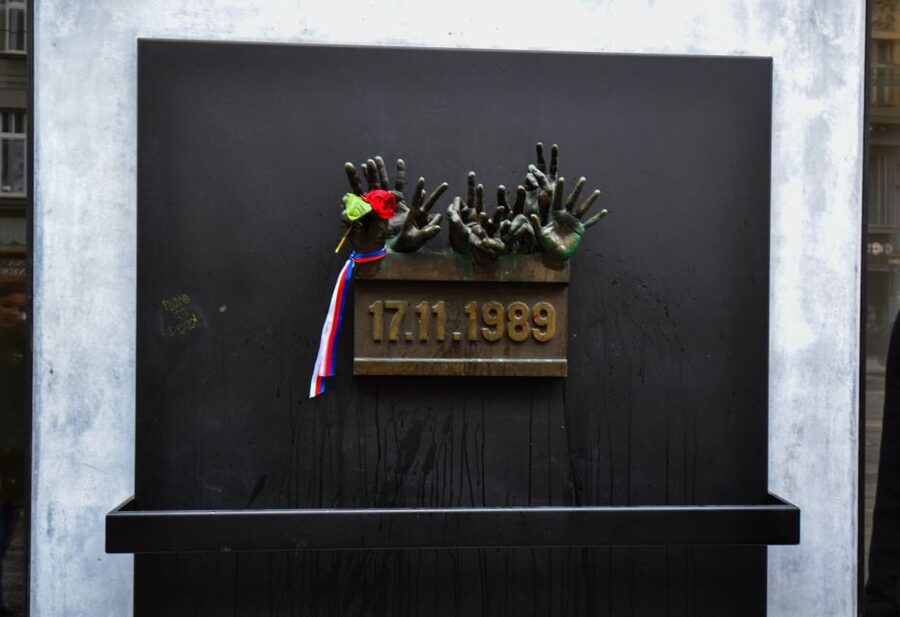
The itinerary includes a stop at the Velvet Revolution Memorial, which gives the tour a turning point. Before you even reach the bunker, you get context for how communism ended in Czechoslovakia and what that shift meant for ordinary people. It sets up why survival instincts shaped so much of daily life under the old system.
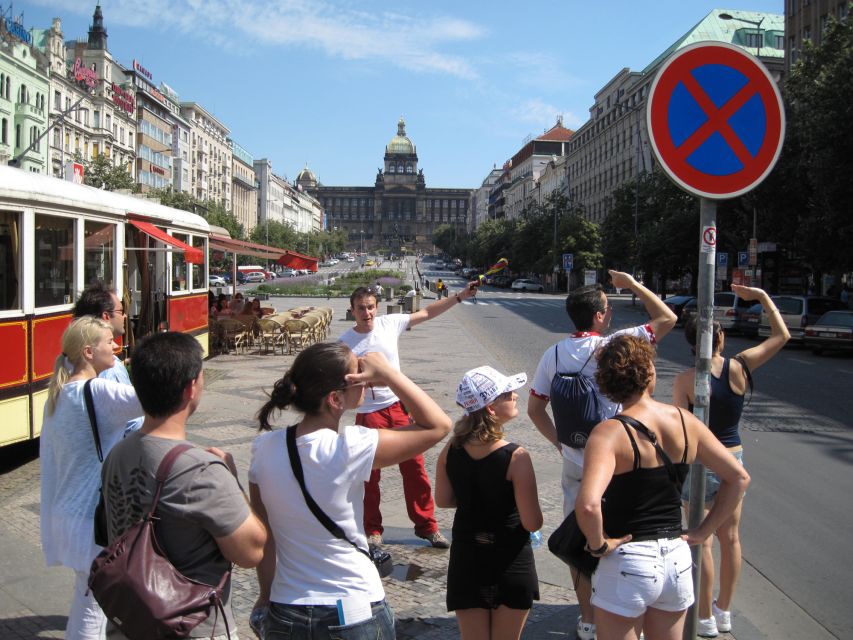
Next come central Prague streets linked to the communist era’s public face. You pass points connected to the communist leadership image and the power structures behind it. The guide also weaves in references to major sites like Wenceslas Square, where you can visually sense how political messaging became part of the city’s everyday scenery.
There is one more important reason these stops work. They help you understand that communism in Czechoslovakia was not only a set of government documents. It was a mood, a risk calculation, and a way of life that touched work, family, and friendships. When you later descend into an emergency shelter, it makes psychological sense, not just historical sense.
From the secret-police mindset to the nuclear threat
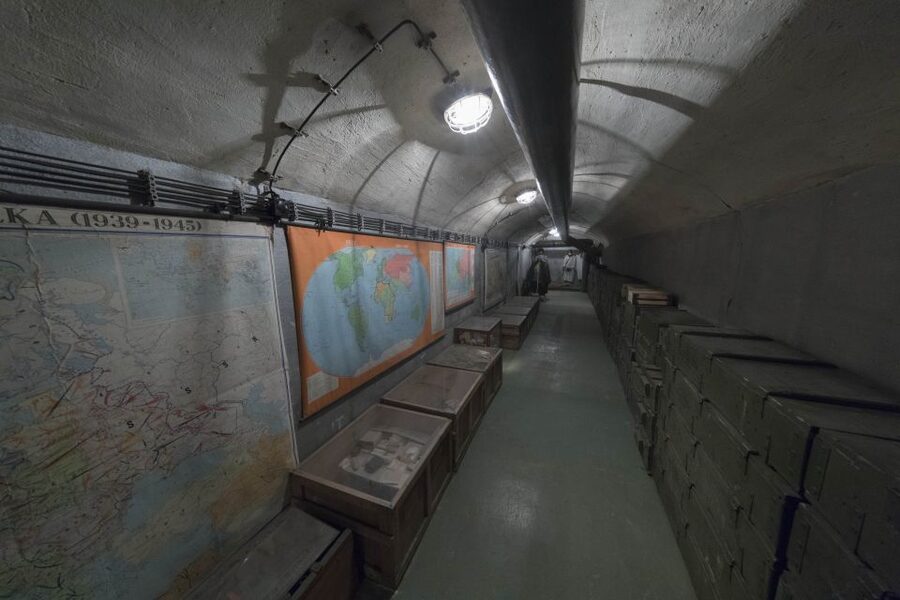
A big part of why this tour lands is the way it links two kinds of fear. First is the fear of the security state, where spying and political punishment could change your life overnight. Second is the fear of nuclear war, where the threat was not theoretical, it was planned for.
You hear stories about the lives of spies, political prisoners, Cold War refugees, and dissidents. And the guide ties those tales to how control worked and why people complied, avoided attention, or tried to quietly protect their futures.
You also hear about how Czechoslovakia carried both ideological pressure and geopolitical danger. That is the bridge to the bunker, which was designed for mass civilian protection. The bunker context is not there to shock you for shock’s sake. It is there to show you what the communist era prepared people for, even while daily life could feel exhausting and uncertain.
More History Tours in Prague:
- Prague: Oldtown, Medieval Underground & Dungeon History Tour
★ 4.3 · 10,277 reviews - Prague Old Town, Medieval Underground and Dungeon Historical Tour
★ 4.5 · 3,227 reviews - Prague: Historic City Center Bus Tour with Top Sights
★ 4.4 · 2,360 reviews - Prague Historic Pub Tour with Drinks Included
★ 5.0 · 2,084 reviews
The 1950s nuclear bunker: 50 feet underground and built for thousands
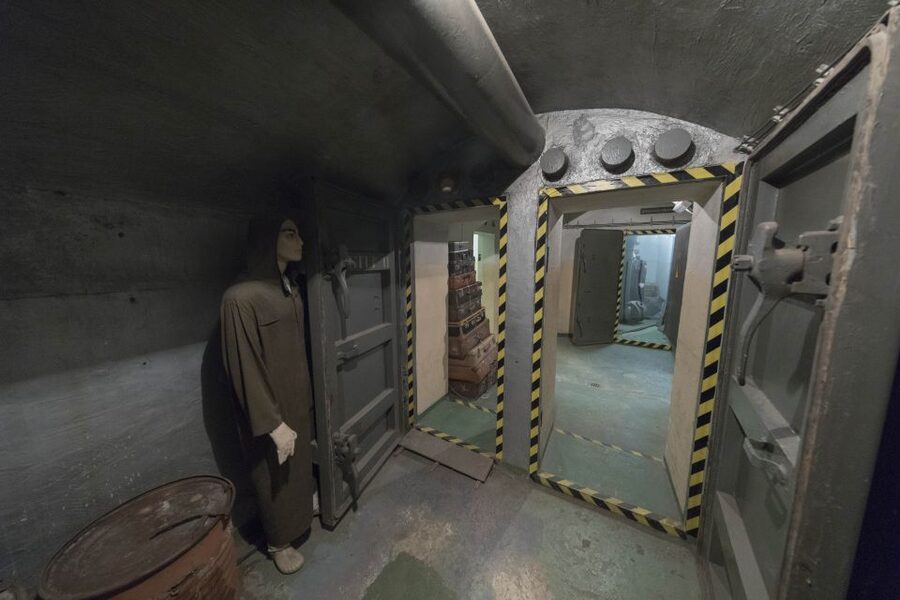
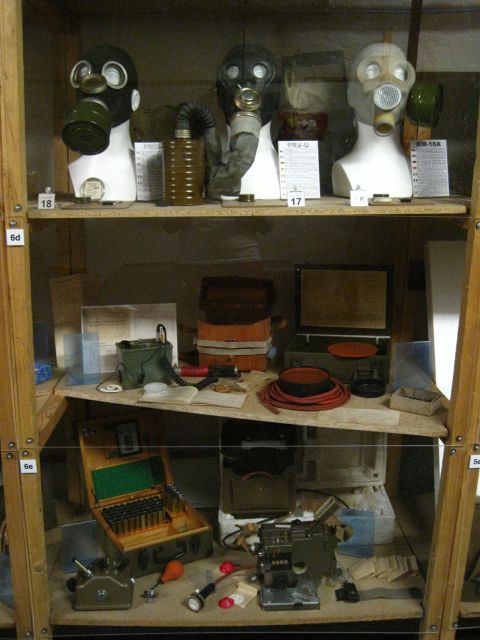
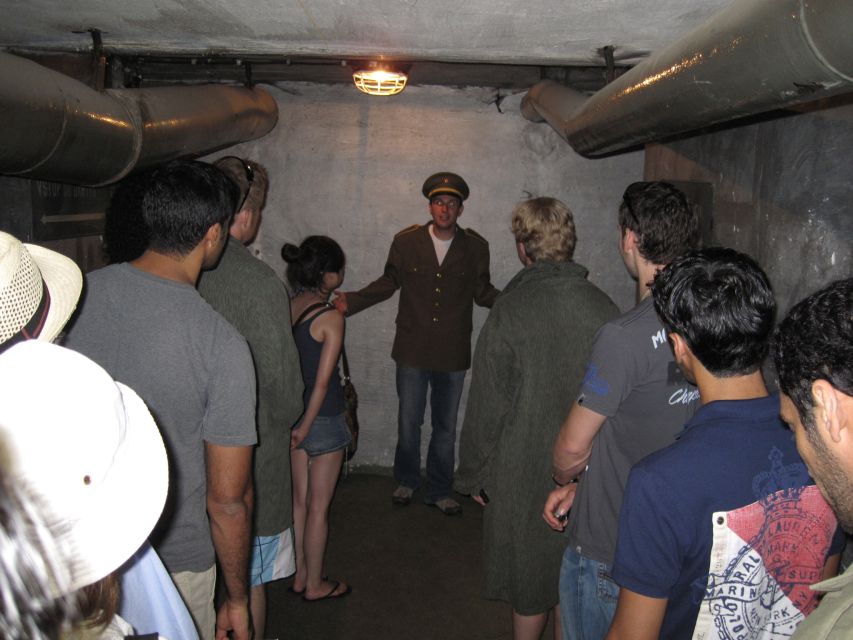
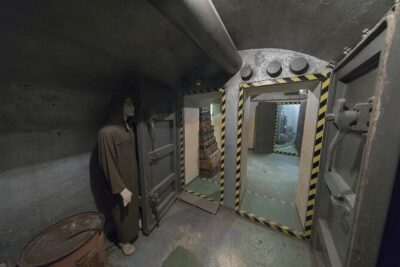
Now the main event. You visit Prague’s largest nuclear bunker, built in the 1950s and designed to accommodate up to 5,000 people. Going underground is the moment when the tour shifts from history lesson to physical experience.
Expect guided time inside the bunker for about 70 minutes. You get Cold War time expositions and the kind of authenticity that only a real site can provide: genuine equipment, period-style displays, and the sense of how drills and readiness were meant to work in a crisis.
What I like most here is how you stop thinking of nuclear war as a distant plot line. The guide helps you connect the system of preparedness to the fear people actually lived with during the Cold War. It makes the bunker feel like part of everyday reality, not a science-fiction set.
Because you are underground, read the safety fit closely. This is not for people with claustrophobia. It also is not for those with mobility issues, since the experience involves walking and stairs.
Also note a small reality check from guest feedback: one guest mentioned that some exhibits can look tired and may need maintenance. That does not change the historical value, but it is worth knowing if you expect a perfectly fresh museum finish.
Museum exhibits and the gasmask workshop that makes it tangible
After the main bunker visit, the tour includes a museum stop focused on Cold War expositions and related material. This is where the story gains more detail, because you see artifacts and learn how people were trained to respond.
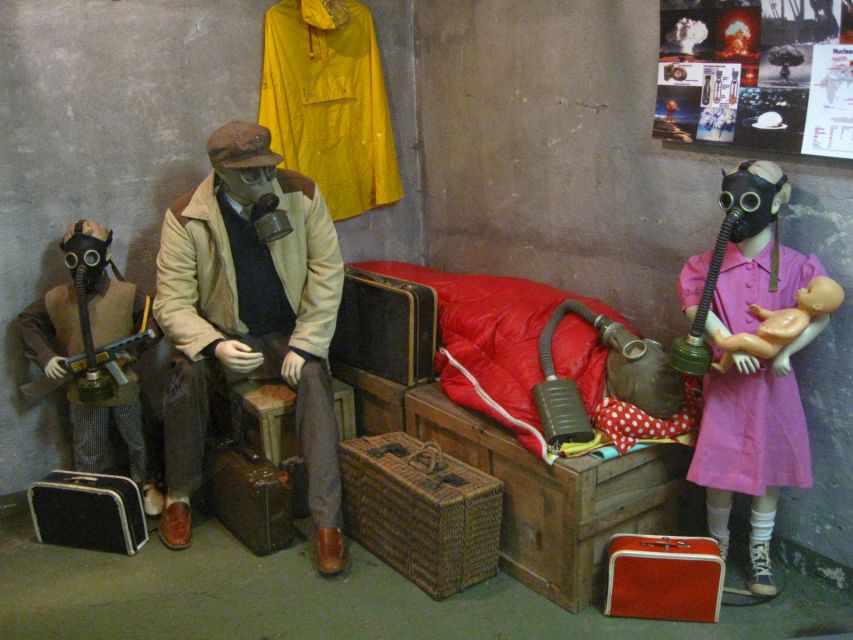
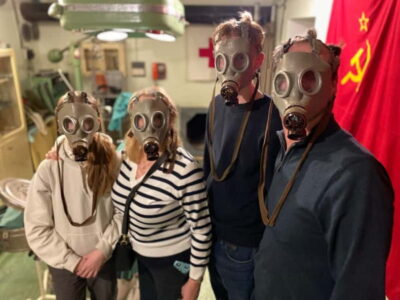
The highlight is the gasmask workshop. It is hands-on, not just a lecture. When you do something physical, the lesson sticks. You feel how preparedness worked and why equipment mattered in a world built around worst-case scenarios.
Several reviews praise the guides for balancing dark content with moments of humor and engaging storytelling. I think that matters here. You are dealing with harsh themes, but the goal is understanding, not heaviness for its own sake.
Practical tip from real guest experience: if you have respiratory allergies or are sensitive to dust, consider wearing a face mask during the bunker portion. One guest shared that advice specifically, and it is the kind of small choice that can make the underground part more comfortable.
Guides make the difference, especially when they lived it
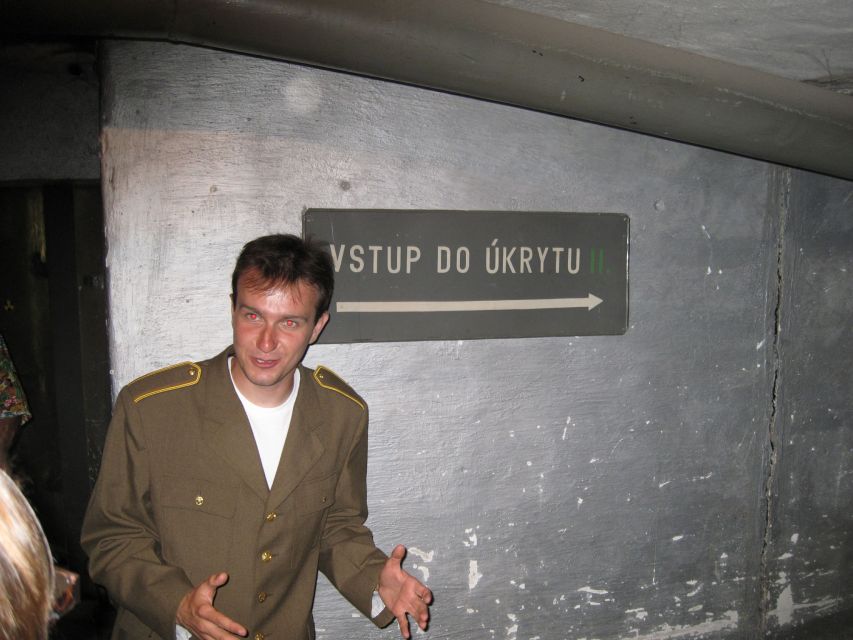
This tour gets consistently high praise, and the most repeated theme is the guides themselves. Many guests single out guides including Stan, Ladislav, Pavel, Maki, and others for combining factual explanations with personal perspective.
That firsthand angle is what you want for this topic. Communism can be described in textbooks, but fear, daily tradeoffs, and the logic of survival are harder to convey unless the guide has lived through the era. Guests repeatedly mention that the guides were both very passionate and willing to answer questions, and that their tone stayed engaging.
I also like that you do not just get stories of villains. You get stories of ordinary people trying to protect their lives under pressure. That is why the tour can feel both educational and human.
Language note: the tour is available in German and English, and for safety you are required to speak the chosen language of the tour. You cannot translate during the tour into other languages, so if your group is mixed-language, plan carefully.
Price and value: what 44 dollars buys you in real experience
At $44 per person, this is not a bargain in the sense of being half-off. But it is good value for what you get: a real underground site, a museum component, guided commentary, public transport included, and a hands-on workshop.
Many Prague tours sell you one main attraction, then fill the rest with walking. Here, you get multiple layers tied to the same theme:
- central landmarks that frame the communist story
- a guided visit inside an actual nuclear bunker
- exhibitions that reinforce what you just saw
- the gasmask workshop that turns Cold War planning into something you can try
The time commitment is about 150 minutes, and the tour can vary by about 10 to 15 minutes depending on group size. You should treat it as a focused block, not something you casually fit in.
If you are the type of traveler who likes your history grounded in real places, this price makes sense. If you want light, sunny sightseeing only, the subject matter is heavy, and you might be happier with a different tour.
Who should book, and who should skip it
This works best for you if you like history that connects to real settings. It is also a strong match if you enjoy stories and you want a clearer understanding of how communist rule affected everyday life in Czechoslovakia.
You should also consider it if you are curious about Cold War preparedness and you want more than a generic explanation. The bunker design for up to 5,000 civilians, the underground setting, the museum exhibits, and the gasmask workshop all point to a tour designed to be felt as much as understood.
Skip it if any of these are true:
- you use a wheelchair, stroller, or have significant mobility limitations
- you have claustrophobia or you have been advised to avoid enclosed or underground spaces
- you struggle with heart issues or attention issues in environments like this
- you are traveling with very young children, since it is not allowed for infants under school age and also not for babies under 1 year
- you might expect bathroom access at the start, because there are no toilets there
And simple etiquette matters. Pets are not allowed, and it is not for smoking, alcohol, or drugs. Costumes and bachelor or bachelorette groups are also not allowed.
Should you book the Prague Communism History and Nuclear Bunker tour?
If you want a Prague history experience that feels grounded in real physical space, I think you should book it. The best part is the combination of firsthand-style human storytelling and a real underground bunker that turns Cold War history into something you can stand inside and understand.
If you are sensitive to underground spaces or need full accessibility, do yourself a favor and choose a different tour. Also, if you hate walking, this is not your format since you will be on foot and dealing with stairs.
For most people, especially those who like their history with context and real sites, this tour is a strong use of time at a fair price. It will likely leave you with that rare feeling of having learned the past in a way that changes how you notice the present.
FAQ
How long is the Prague communism and nuclear bunker guided tour?
The tour duration is listed as 150 minutes, with possible variation of about 10 to 15 minutes depending on group size.
What languages is the guide available in?
The live guide is available in German and English.
Do I need to speak the tour language?
Yes. For safety, it is required that you speak the chosen language of the tour.
Is the tour wheelchair accessible?
No. It is not possible for wheelchair users and also not suitable for people with any mobility issue.
Are there toilets at the starting point?
No. There are no toilets at the starting point.
Is food included?
No. Food and drinks are not included.
Can I record video during the tour?
Photos are allowed. Video recording is not allowed unless you receive extra permission.
What is included in the ticket price besides the guide?
Included are the live guide, public transportation to and from the bunker, and entry to the nuclear bunker museum and exhibitions.
Just added around Prague
- WWII and Communism History in Prague’s Old Town Private Tour★ 5.0 · 4 reviews
- Prague: Historical Walking Tour with Focus on World War 2★ 4.3 · 12 reviews
- World War II 4WD Tour from Prague with Lunch★ 4.4 · 3 reviews
- World War II History Tour of Prague’s Old Town★ 5.0 · 4 reviews
- Walking tour of Prague in French : Nové Město★ 4.9 · 16 reviews
- Walking tour of Prague in french: Old Town & Charles Bridge★ 4.9 · 62 reviews
- Organ Concert in St Francis Church Admission Ticket★ 4.5 · 88 reviews
- Unique salt cave in Prague★ 4.9 · 10 reviews
Communism & Cold War Tours, compared.
Prague Communism History and Nuclear Bunker Tour
Read our review →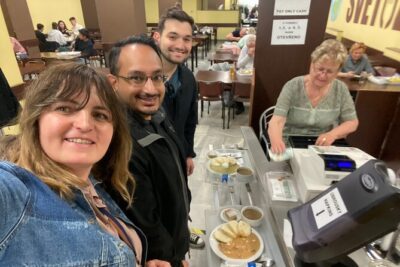
Communism & Nuclear Bunker Tour + 70s Canteen Lunch (own expense)
Read our review →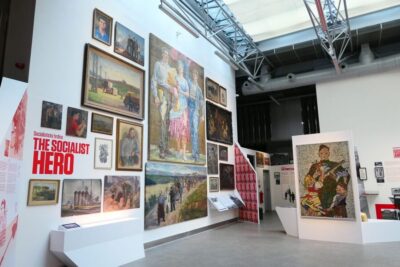
Communism and Bunker Tour with 70s Canteen Lunch
Read our review →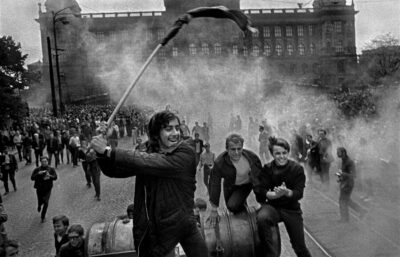
Second World War & Communism (Tip-based 3 hour tour)
Read our review →
Browse the lists this tour appears in