
Review · COMMUNISM & COLD WAR TOURS
Prague: Museum of Communism Entrance Ticket
Communism history hits harder than you expect. In Prague, this self-guided museum turns Czechoslovakia’s communist era into a walk-through story, with 1,500 m² of exhibits and 62 panels covering 1948 to 1989.
I really like two things here. First, I love the reconstructed spaces that let you picture everyday life, from a classroom to a child’s bedroom. Second, I appreciate the heavy emphasis on photographic archives and original materials, not just slogans on the wall.
The one drawback to keep in mind is the pacing. The exhibition is text-heavy, so if you get tired reading, plan shorter bursts or expect to skim some panels.
In This Review
- Key things I found most compelling
- Getting Oriented at V Celnici: How the Ticket Works
- What the 1,500 m² Exhibition Teaches About Czechoslovakia (1948 to 1989)
- Reconstructed Rooms That Make Control Feel Personal
- How the Museum Explains Censorship, Show Trials, and Stalinist-Era Repression
- Propaganda, Socialist Realist Art, and the Media Style of Control
- Photographs and Personal Collections: Evidence You Can See
- Your Timeline: The 15-Minute Documentary, Cinema Screenings, and Breaks
- How Long You Should Plan (And How to Pace a Text-Heavy Visit)
- Price and Value: Is the $18 Ticket Worth It?
- Practical Tips to Make the Visit Smoother
- Who This Museum Is Best For (And Who Might Want a Different Plan)
- Should You Book the Prague Museum of Communism Ticket?
- FAQ
- What is included with the Prague Museum of Communism entrance ticket?
- How much time should I plan for the museum?
- What years does the exhibition cover?
- What can I see in the exhibition besides text panels?
- Is there a live tour guide included?
- Is there a documentary screening in the museum cinema?
- Is the museum wheelchair accessible?
- Is the exhibition information available in English?
- Where do I go for the meeting point?
- Can I buy on the day, and when does the cash desk close?
- Is free cancellation available?
- Can I reserve now and pay later?
Key things I found most compelling
- A huge, structured exhibition across nearly 1,500 m² and 62 panels, split into clear themes
- Rebuilt rooms (workshop, classroom, child’s bedroom, interrogation room) that make the era feel immediate
- Big themes on control systems, including censorship, police and StB, courts, and propaganda
- Original artifacts plus short videos, posters, and documentary-style storytelling
- Photo collections from multiple Czech archives, including the Czech News Agency archive and security services material
- Low-key visit style, no live guide required, and you can pause often in the café or cinema area
Getting Oriented at V Celnici: How the Ticket Works
You’ll start at V Celnici 1031/4, 110 00 Prague. This is a straightforward entrance-ticket visit, with no live guide included, so you control the pace. That matters because the museum has a lot to read and look at, and you’ll get more from it if you move at a speed that fits you.
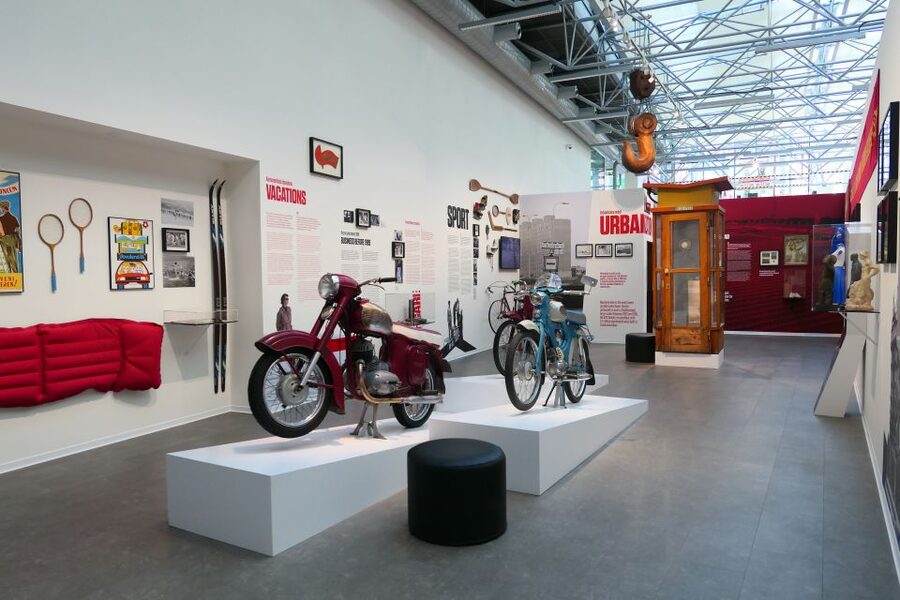
With your ticket, you can cover the main exhibition space, which runs about 1,500 m². It’s also built around thematic sections, so you do not feel like you are just wandering through random displays.
One practical note: the cash desk closes 30 minutes before the museum closes. If you wait until late, you can get stuck without a ticket purchase option, even if the building is still open.
More Communism-era tours in Prague:
- Prague: Communism History and Nuclear Bunker Guided Tour
★ 4.7 · 2,417 reviews - Prague Communism History and Nuclear Bunker Tour
★ 5.0 · 1,742 reviews - Communism & Nuclear Bunker Tour + 70s Canteen Lunch (own expense)
★ 5.0 · 1,036 reviews
What the 1,500 m² Exhibition Teaches About Czechoslovakia (1948 to 1989)
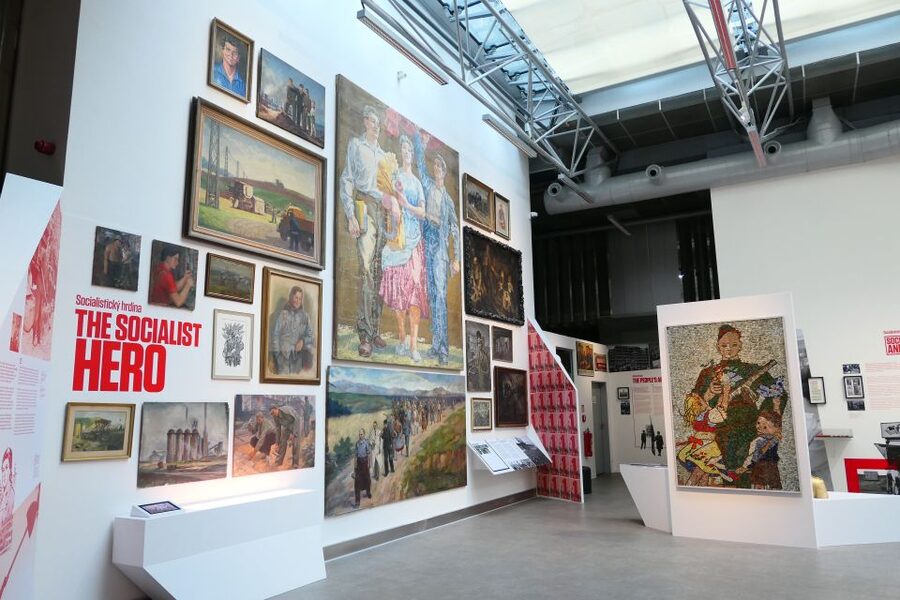
The core of the visit is the museum’s main exhibition covering the totalitarian regime in Czechoslovakia from the February putsch in 1948 until the Velvet Revolution in 1989. The way it’s organized makes it easier to understand how power worked, not just what slogans said.
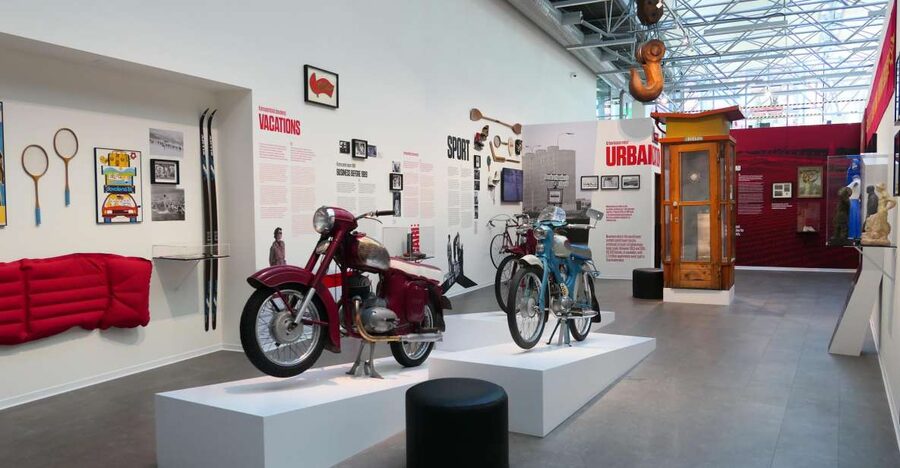
You’ll see content grouped into themes such as politics, sports, economics, education, and Socialist Realist art. There are also sections tied directly to how the state maintained control: propaganda, people’s militias, the army, the police and StB (secret police), censorship, courts, and other institutions.
That structure is the real value for you. If you are trying to connect the dots between ideology and daily life, these categories show the machinery behind the headlines. If you only want a quick overview, the same structure still works, because you can pick a few sections and still leave with a clear sense of the story arc.
Reconstructed Rooms That Make Control Feel Personal
One of the biggest reasons people rate this museum so highly is the use of reconstructed mock-ups. You are not just reading about the era. You are walking through spaces designed to reflect how people lived and worked, and that changes the emotional impact.
Expect to see areas built like a shock worker’s workshop, a classroom, a child’s bedroom, and even an interrogation room. Even if you do not get lost in every detail, these rooms give you something most museums skip: a sense of what the environment itself was doing to people.
What I like about this approach is that it helps you understand how systems become normal. A propaganda message or a policy feels abstract until you picture the setting, routines, and fear attached to it.
How the Museum Explains Censorship, Show Trials, and Stalinist-Era Repression
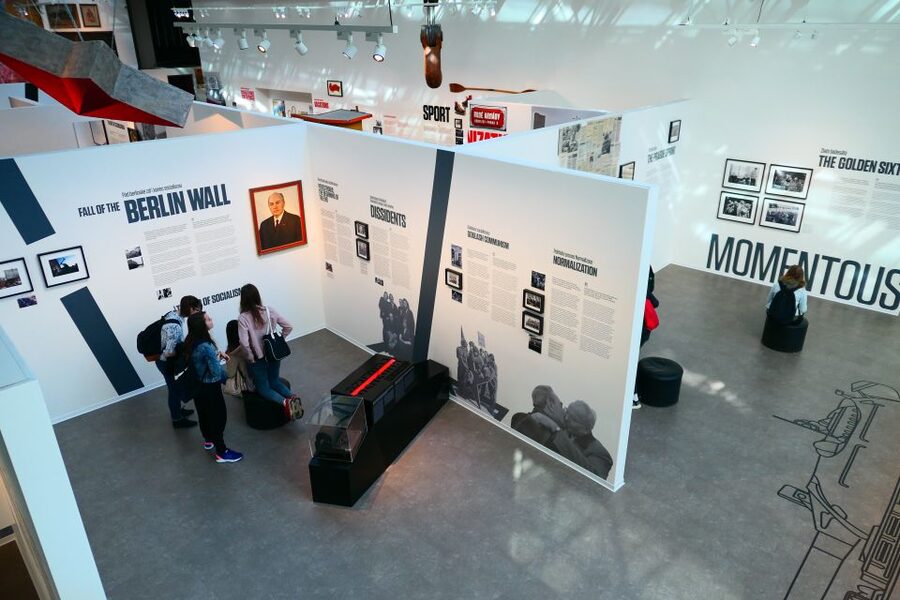
This museum does not treat the communist era as one single vibe. It highlights specific mechanisms, especially through institutions like censorship and policing, and it also covers the Stalinist era, including show trials and political labor camps.
The usefulness here is practical: you can see how repression shaped public life, what institutions enforced it, and why dissent was treated as a threat. The exhibition includes artifacts, posters, and short videos to support those points, so you get both the narrative and the evidence.
If you like history that explains cause and effect, this part will keep your attention. If you prefer lighter or more celebratory content, you may find some sections heavy. It is not designed to be comfortable, and that honesty is part of its value.
More Museum Visits in Prague:
- Prague: Museum of Fantastic Illusions Entry Ticket
★ 4.3 · 4,337 reviews - IAM Illusion Art Museum Entry Ticket
★ 4.2 · 1,664 reviews - Prague: Museum of Senses Admission Ticket
★ 4.0 · 1,445 reviews - IAM Illusion Art Museum Prague Fast Pass Ticket
★ 5.0 · 957 reviews
Propaganda, Socialist Realist Art, and the Media Style of Control
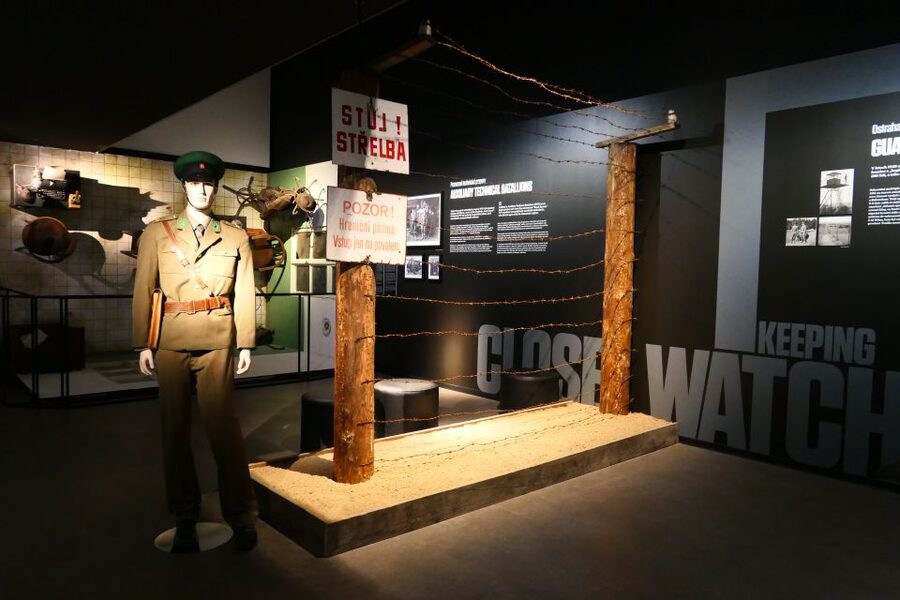
In many museums, propaganda is shown like an artifact. Here, it is shown like a system. You’ll run into thematic areas on propaganda and Socialist Realist art, and those topics connect directly to how the state wanted people to think, work, and behave.
You also get support through the exhibition’s mix of tools: posters, short videos, and objects. That balance helps you process the content without relying only on text.
One detail worth knowing is that the museum is built as a big circle layout. Several visitors mention you can move through the exhibition efficiently while still taking breaks to read. If you get overwhelmed, this layout makes it easier to stop, reset, and continue without feeling lost.
Photographs and Personal Collections: Evidence You Can See
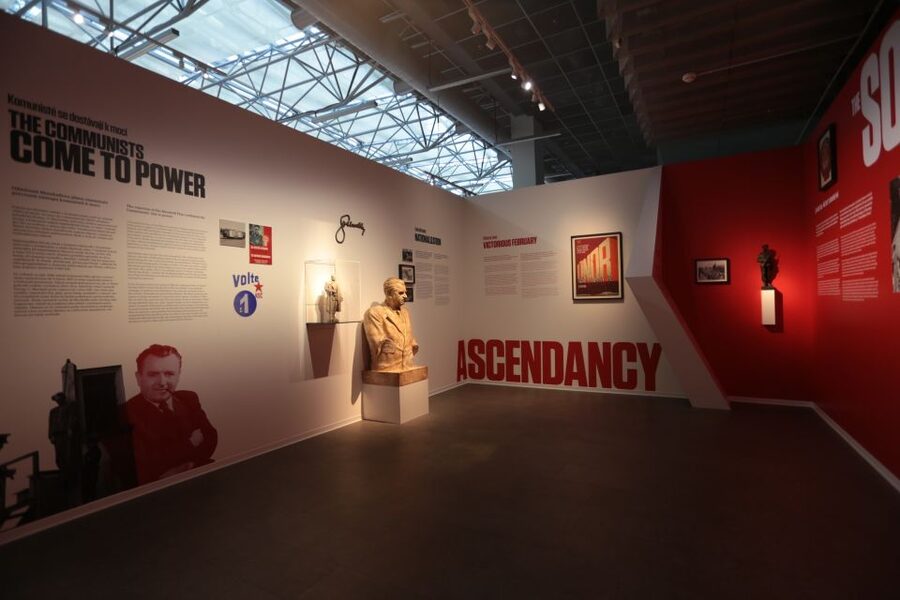
If you love visual history, this museum has a lot to offer. The exhibition draws from a broad set of photographic and archival sources, including the Archive of the Czech News Agency, the Security Services Archive, and the Archive of the Association of Forced Military Camp Laborers.
On top of that, you’ll see personal collections of leading Czech photographers. That matters because photographs often show what official narratives tried to control. Even without being told how to interpret every image, you can notice the mood, the staging, and the real-life consequences.
This is also where the museum feels more than just political history. You get a sense of how culture, education, and everyday public life were shaped by what could be seen and what could not.
Your Timeline: The 15-Minute Documentary, Cinema Screenings, and Breaks
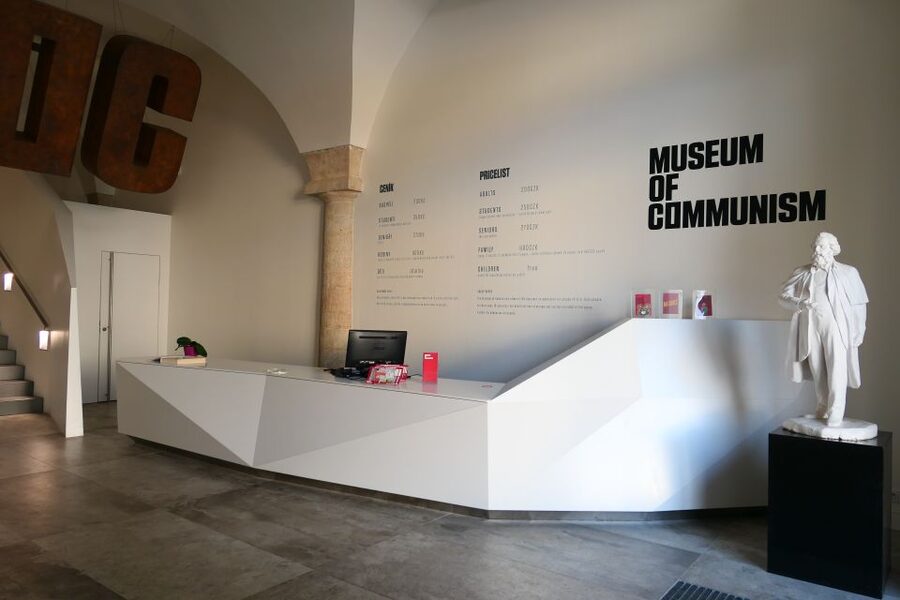
Your ticket includes a 15-minute documentary about communism in Czechoslovakia. That short film is a useful anchor because it gives you a time and theme overview, then you can walk through the exhibition with more context.
After that, you can also visit the museum’s cinema. You will be able to watch a short documentary about the communist era at regular intervals. It’s a good option when you want to rest your eyes from reading.
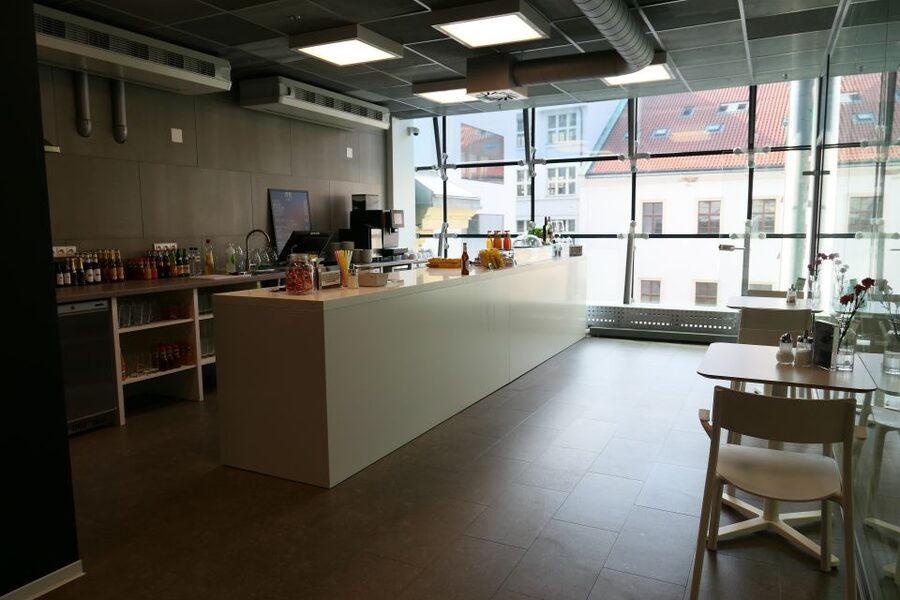
There’s also a museum café where you can take a break at any point. I like having that pause built in because the exhibition can easily run long, especially if you read most of the text. Some visitors also noted the café could be better, so if food and drinks are a big part of your museum day, plan to take care of snacks outside the visit window too.
How Long You Should Plan (And How to Pace a Text-Heavy Visit)
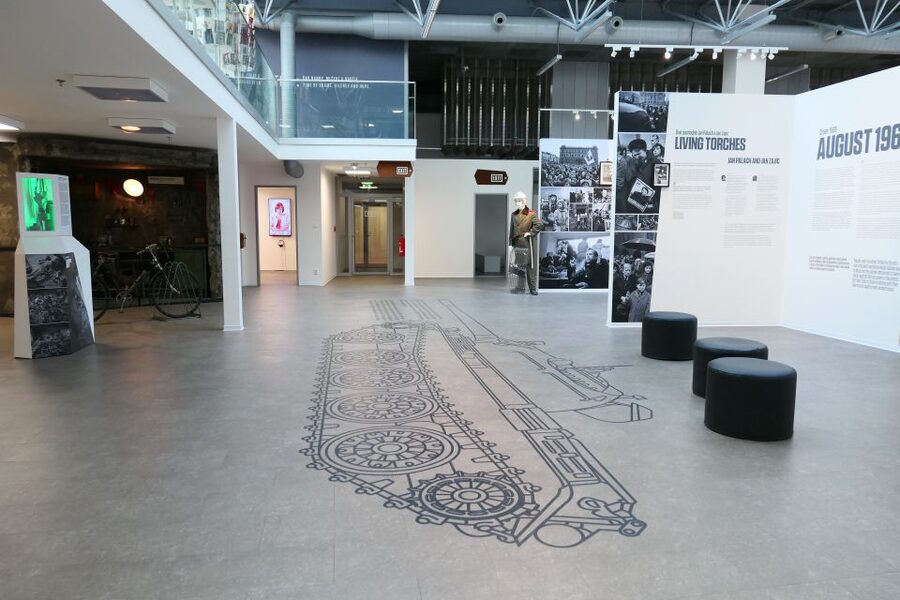
This is a big museum with lots of panels. Reviews show a wide range of time spent, but the pattern is clear: if you read thoroughly, you will stay longer.
Some people flew through in about 1.5 hours, while others planned 2 to 3 hours to read most of the exhibition. One visitor specifically said they spent 3 hours reading every word, so the museum clearly rewards slow attention.
Here’s a pacing strategy that works well for you:
- Start with the theme panels you care about most, like censorship, police and StB, or education.
- Then circle back through the rebuilt rooms, because they often make the earlier sections click.
- If you start to feel overloaded by text, use the videos and photography areas as your reset.
This museum is self-paced, so you do not need to rush. You get a better understanding if you let the story build in the order it’s presented.
Price and Value: Is the $18 Ticket Worth It?
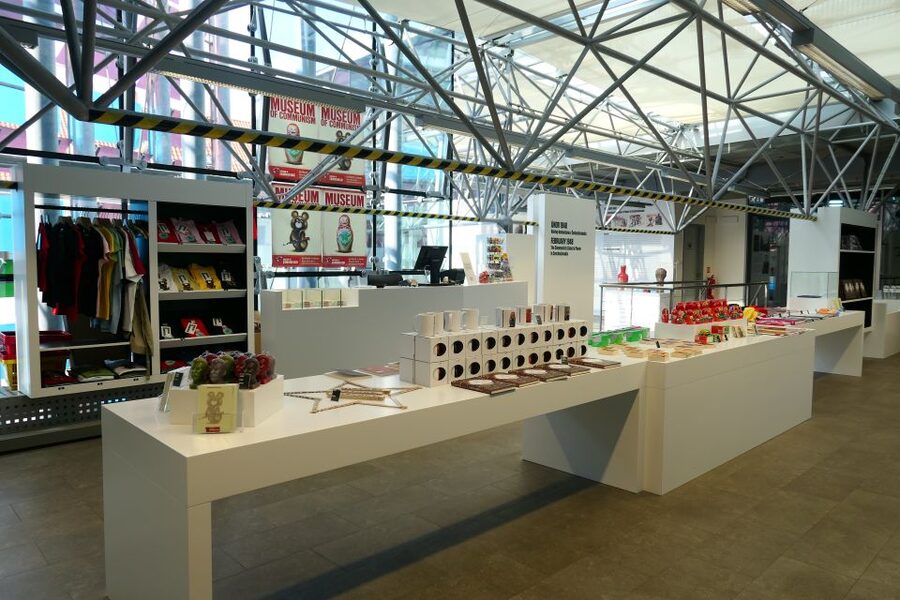
At $18 per person, the price is fair for the amount of material you get. You are not paying for a small room or a quick walk. You’re paying for a full exhibition footprint, around 1,500 m², plus multimedia elements and included documentary time.
More important than the number is what your money buys: a structured overview of how communist control worked in Czechoslovakia, with rebuilt rooms that create a vivid sense of daily life. If you want a high-level lecture, this museum might feel heavy. If you want a place that gives you both explanation and evidence, the value holds up.
It also tends to feel like an efficient day plan. You can use it as your main history stop in Prague, especially if you want something different from the usual grand sights.
Practical Tips to Make the Visit Smoother
Because the exhibition is text-heavy, your visit will feel better if you prep a little.
- Bring a phone or small note pad to track topics you want to revisit. (There is a lot here, and it helps.)
- If English is your language, you will likely be fine. Multiple visitors say the exhibition is available in English, which makes it easier to follow without a guide.
- If you want audio, know there is no live tour guide included. One common complaint is the lack of an audio guide, so if you rely on audio for focus, adjust your expectations.
Also, the museum can be quieter than the biggest tourist attractions. That can be a plus for you if you like reading carefully without crowds.
Who This Museum Is Best For (And Who Might Want a Different Plan)
This experience is a strong fit if you:
- Want a clear look at how authoritarian systems affect daily life, not just politics
- Like museum exhibits that use real artifacts, photographs, and reconstructions
- Are interested in Czechoslovakia’s post-war shift and how repression worked across institutions
It may feel less ideal if you:
- Prefer museums with mostly visual displays and minimal reading
- Want a guided explanation to connect themes in real time
- Are sensitive to disturbing topics like interrogation settings, show trials, and labor camps
One interesting balance note from the feedback is that some people feel the exhibition’s tone is strongly anti-communist. Others felt it was presented thoughtfully without whitewashing the issues. Either way, you should go prepared for a serious, critical portrayal of communist-era repression and control.
Should You Book the Prague Museum of Communism Ticket?
If your goal is to understand Czechoslovakia under communism in a way that goes beyond dates, I think this ticket is worth booking. The reconstructed rooms, the structured thematic breakdown, and the archival photo material make it more than a basic history stop.
Book it if you want a self-guided day with enough structure to learn, and enough atmosphere to feel the difference between propaganda on paper and life under pressure. If you know you get impatient with lots of reading, plan for shorter sessions and use the videos and cinema to balance the text.
Overall, this is a museum that rewards attention, and it gives you a grounded understanding of how the communist system worked in real life.
FAQ
What is included with the Prague Museum of Communism entrance ticket?
Your ticket includes entrance to the exhibition and a 15-minute documentary about communism in Czechoslovakia.
How much time should I plan for the museum?
Plan roughly 1.5 to 3 hours. Some visitors report about 1.5 hours, while others recommend around 2 hours, and some spent about 3 hours reading closely.
What years does the exhibition cover?
The exhibition focuses on the totalitarian regime from the February putsch in 1948 until the Velvet Revolution in 1989.
What can I see in the exhibition besides text panels?
You can expect original artifacts, short videos, posters, and reconstructed rooms such as a workshop, classroom, child’s bedroom, and an interrogation room.
Is there a live tour guide included?
No. A live tour guide is not included with the ticket.
Is there a documentary screening in the museum cinema?
Yes. After the exhibition, you can visit the cinema where you can watch a short documentary at regular intervals.
Is the museum wheelchair accessible?
Yes, the museum is wheelchair accessible.
Is the exhibition information available in English?
Based on visitor feedback, the exhibition information is available in English.
Where do I go for the meeting point?
The meeting point address is V Celnici 1031/4, 110 00 Prague, Czech Republic.
Can I buy on the day, and when does the cash desk close?
The cash desk closes 30 minutes before the museum closes. If you plan to buy at the cash desk, don’t leave it to the last minute.
Is free cancellation available?
Yes. Free cancellation is available up to 24 hours in advance for a full refund.
Can I reserve now and pay later?
Yes. You can reserve and pay later to keep plans flexible.
Just added around Prague
- WWII and Communism History in Prague’s Old Town Private Tour★ 5.0 · 4 reviews
- Prague: Historical Walking Tour with Focus on World War 2★ 4.3 · 12 reviews
- World War II 4WD Tour from Prague with Lunch★ 4.4 · 3 reviews
- World War II History Tour of Prague’s Old Town★ 5.0 · 4 reviews
- Walking tour of Prague in french: Old Town & Charles Bridge★ 4.9 · 62 reviews
- Walking tour of Prague in French : Nové Město★ 4.9 · 16 reviews
- Organ Concert in St Francis Church Admission Ticket★ 4.5 · 88 reviews
- Unique salt cave in Prague★ 4.9 · 10 reviews
Communism & Cold War Tours, compared.
Communism History and Nuclear Bunker Guided Tour
Read our review →
Prague Communism History and Nuclear Bunker Tour
Read our review →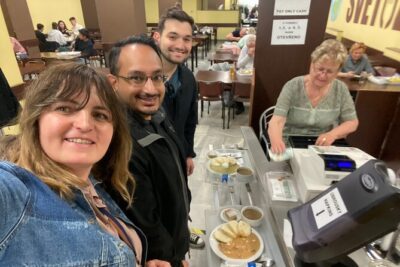
Communism & Nuclear Bunker Tour + 70s Canteen Lunch (own expense)
Read our review →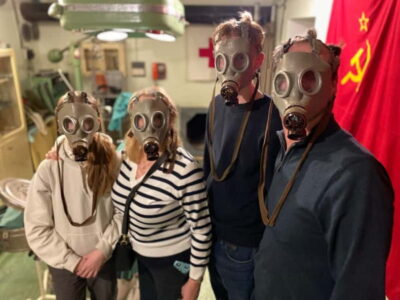
Communism and Bunker Tour with 70s Canteen Lunch
Read our review →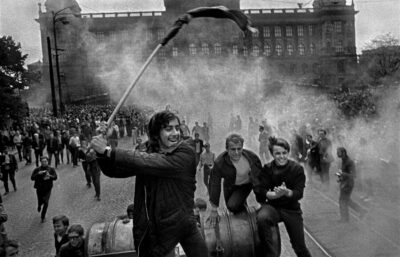
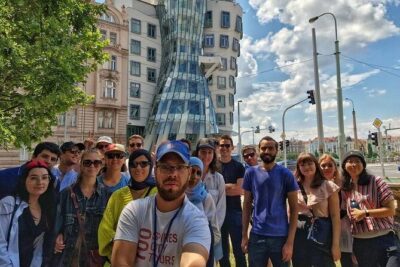
Second World War & Communism (Tip-based 3 hour tour)
Read our review →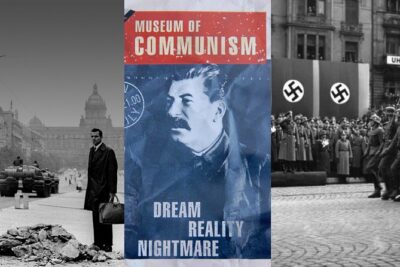
Browse the lists this tour appears in