
Review · COMMUNISM & COLD WAR TOURS
Prague: World War II and Communist History Tour
Prague tells its 20th-century story on your feet. This 2.5-hour walking tour connects major WWII moments and decades of communist rule to places you can still see, including the Nazi-era aftermath and the Velvet Revolution.
What I like most is the way the tour builds a clear timeline, so you understand how Nazi occupation led to resistance, then to a postwar communist takeover, and finally to 1989. I also love that you stop at real, recognizable landmarks such as the Municipal House area, the Jewish Quarter, the Dancing House, and Wenceslas Square, so the history doesn’t float in a vacuum.
One thing to consider: not every stop has a giant, modern marker explaining what happened there. The experience relies heavily on the guide’s storytelling, which is great if you like context, but it may feel less “see-and-take-photos” if you want lots of obvious remains.
In This Review
- Key highlights to look for
- Where the tour starts: Týnská Old Town, then straight into the past
- WWII in Prague: occupation, resistance, and consequences you can’t skip
- The resistance story and the assassination episode
- Communist takeover: the coup, letdown, and the new normal
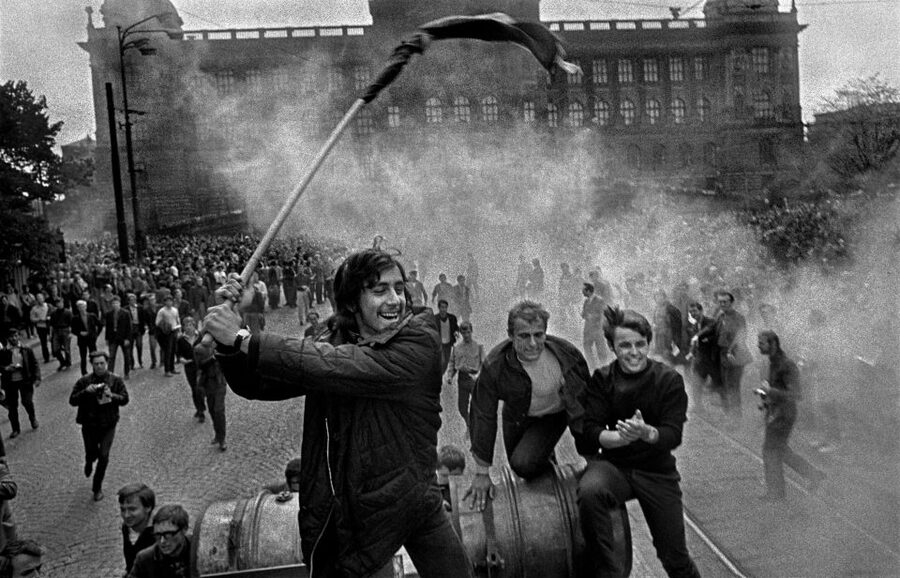
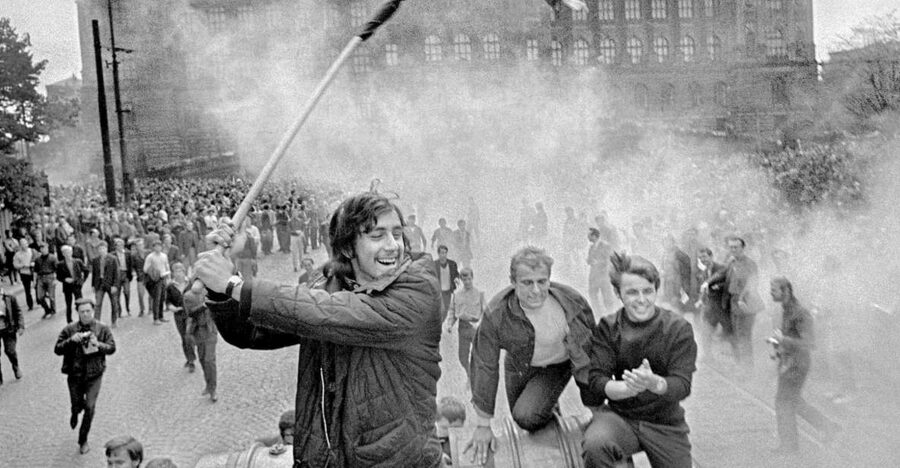
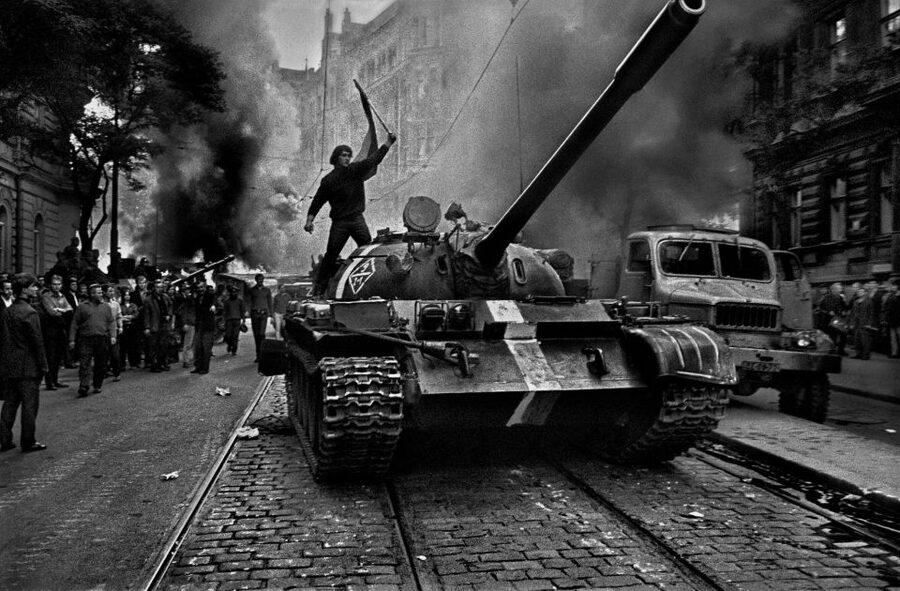
- Prague Spring, Warsaw Pact invasion, and the emotional pivot
- Normalization, dissidents, and life under pressure
- Velvet Revolution sites: Václav Havel and the momentum of 1989
- Key stops you’ll recognize: Municipal House, Dancing House, Wenceslas Square, and the Jewish Quarter
- Municipal House area
- Jewish Quarter
- Dancing House
- Wenceslas Square
- How long it really takes, and what to bring
- Guides and storytelling style: why it feels coherent
- Pricing and value at about $34 per person
- Who should book this tour, and who might prefer something else
- Should you book this Prague WWII and Communist History Tour?
- FAQ
- How long is the Prague WWII and Communist History Tour?
- Where does the tour meet?
- Is the tour guided in English?
- What is the price of the tour?
- What is included in the booking?
- Which areas or landmarks does the tour include?
- Can I cancel for a full refund?
- Do I need to pay right away?
Key highlights to look for
- A tight 20th-century timeline connecting Nazi rule, Czech resistance, communist takeover, and 1989
- Key Prague landmarks like Municipal House, Jewish Quarter, Dancing House, and Wenceslas Square
- Resistance and wartime turning points, including the assassination of a top Nazi security figure
- Normalisation-era repression, including persecution tied to Plastic People of the Universe and Charta 77
- Prague Spring and the shock of the Warsaw Pact invasion, explained with local perspective
Where the tour starts: Týnská Old Town, then straight into the past
The meeting point is Týnská 639/4, Staré Město (Old Town), right in the heart of Prague’s historic core. Starting here matters. You’re not trudging across the city with a “history theme” stuck on top. You begin where people have always gathered, traded, argued, and changed direction, which makes the later political shifts feel grounded.
From the first minutes, the guide frames the tour as a journey through overlapping crises. You get Nazi occupation, resistance, uprising, communist coup and backlash, then the Prague Spring, the Warsaw Pact invasion, and finally decades of repression and dissident activism. It is a lot of time to pack into 150 minutes, but the structure helps it land.
More Communism-era tours in Prague:
- Prague: Communism History and Nuclear Bunker Guided Tour
★ 4.7 · 2,417 reviews - Prague Communism History and Nuclear Bunker Tour
★ 5.0 · 1,742 reviews - Communism & Nuclear Bunker Tour + 70s Canteen Lunch (own expense)
★ 5.0 · 1,036 reviews
WWII in Prague: occupation, resistance, and consequences you can’t skip
The tour’s WWII section does two important things for you. First, it explains what changed when occupation arrived, including how a modern, industrial state got forced into a brutal system. Second, it moves beyond the headline facts and adds the local point of view, which is what turns dates into lived reality.
You’ll hear about the Nazi occupation and resistance, and the story keeps circling back to one idea: actions always had consequences, sometimes immediate, sometimes delayed. That’s especially true when the tour gets to the dramatic episodes connected to Prague’s underground.
If you’re a history fan, you’ll appreciate how the guide links Prague’s geography to the way people moved, hid, and coordinated. If you’re not a politics person, you’ll still follow, because the narrative keeps returning to what ordinary people faced.
The resistance story and the assassination episode
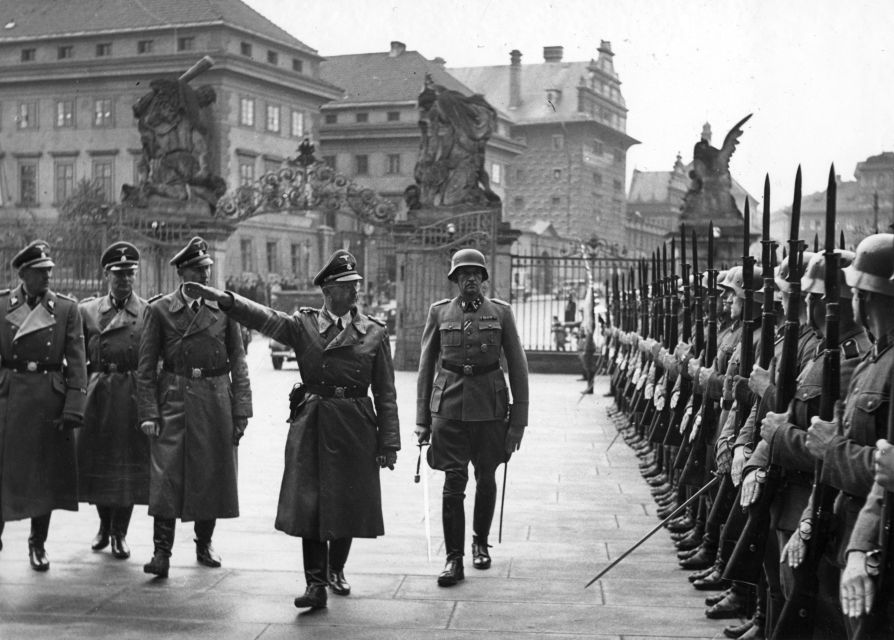
One of the most memorable parts of this tour is the focus on where the Nazi security chief was assassinated. That moment is not treated like a movie scene. Instead, the guide connects it to the larger wartime landscape: underground planning, the risks for everyone nearby, and the grim retribution that followed.
You also may get a stop tied to Operation Anthropoid. Several guides incorporate a museum moment or a church/crypt-related stop that adds weight to the story. The key is the tone: the guide does not just say what happened, they help you understand why it mattered and what it cost.
I find this section especially strong because it avoids one-sided hero worship. Even when the resistance is clearly the moral center of the story, you still learn about the danger for civilians and the way retaliation spread.
Communist takeover: the coup, letdown, and the new normal
After WWII, the tour shifts into the years when hope collided with control. You walk through the transition from Nazi rule to the next power grab, then through the Czech uprising, the communist coup, and the sense of letdown that followed.
You’ll hear about the period when people hoped for freedom, but power was tightened instead. The tour’s strength here is that it doesn’t treat communism as a single block. It presents changes in stages, so you understand why people could feel both euphoria and despair in the same city within a lifetime.
This is also where the tour starts using names and ideas that help you keep track of the political machinery. The guide explains key terms like Normalization in a way you can remember later, because you link them to what you see and the stories you hear.
More wartime history tours in Prague:
- Prague: WWII Guided Tour & The Crypt of Operation Anthropoid
★ 4.7 · 1,030 reviews - WWII in Prague Tour & The Crypt of Operation Anthropoid
★ 5.0 · 817 reviews - Small-Group World War 2 & Operation Anthropoid Tour in Prague
★ 5.0 · 231 reviews - Prague: World War 2 and Operation Anthropoid Walking Tour
★ 4.8 · 193 reviews
Prague Spring, Warsaw Pact invasion, and the emotional pivot
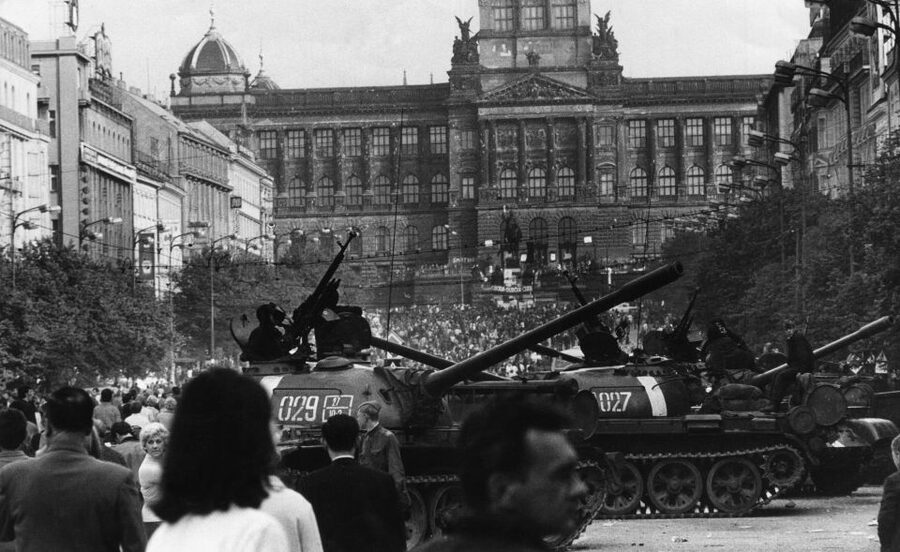
Then comes a turning point: the Prague Spring. This part works well for you because the tour doesn’t just list events. It gives the feeling of the moment, including why people dared to believe things could loosen.
Next is the Warsaw Pact invasion, and the emotional pivot can feel stark. The tour helps you see the invasion not only as a military action, but as a message about limits. That framing makes the later communist years feel less random, like one long punishment instead of a sequence of disconnected crackdowns.
If you like history that has emotional accuracy, this is the section to pay attention to. The guide’s storytelling pace usually slows a bit here, because the message is heavier.
Normalization, dissidents, and life under pressure
The tour spends real time on what daily life could feel like under Normalization. You’ll hear about persecution linked to the Plastic People of the Universe and Charta 77, plus the way dissent shifted from private frustration into public identity.
This is where you start to understand how repression works in practice: not only arrests, but social pressure, surveillance, and the narrowing of what was considered acceptable speech. The guide also keeps you oriented, so you don’t feel lost in slogans.
You might hear about underground musicians and dissidents as part of this story. One review specifically highlighted the tour’s handling of tough facts without whitewashing, which is exactly what you want in this topic. It’s not doom for doom’s sake. It’s context.
Velvet Revolution sites: Václav Havel and the momentum of 1989
Finally, the tour reaches the Velvet Revolution, and that shift in tone is the payoff. You hear how Václav Havel and other dissidents helped ignite change, and how an entire system cracked open when people pushed back together.
This is the part where the tour becomes almost cinematic, but still grounded. You’re not watching history from a distance. You are standing in Prague and hearing how crowds and ideas turned into political power.
The guide’s perspective on 1989 tends to land well because it connects the activism of the earlier years to the momentum that arrived later. In other words, the revolution doesn’t feel like a miracle. It feels like the result of years of tension and courage.
Key stops you’ll recognize: Municipal House, Dancing House, Wenceslas Square, and the Jewish Quarter
Even if you remember only a few names and dates, these landmarks help you place the story physically.
Municipal House area
The tour includes the Municipal House, a major showpiece in Prague’s city life. It’s a good anchor for understanding how public culture, power, and everyday civic space intersect. As the guide explains the political twists of the 20th century, you get a sense of how public buildings could symbolize dignity, identity, and control.
A drawback to keep in mind: these central landmarks are beautiful and attention-grabbing, but the political meaning is in the guide’s narration. You’ll get more out of the stop if you listen for how it connects to the timeline you’ve already built.
Jewish Quarter
You’ll also visit parts of the Jewish Quarter. In a history-heavy tour like this, the Jewish Quarter isn’t just about architecture. It functions as a reminder of what Nazi occupation and later policies did to communities, and why survival and cultural life mattered so much.
Because the tour is walking-based and focused, you may not see every detail you’d get from a dedicated history museum visit. Still, it is a meaningful stop when the guide connects it to WWII realities.
Dancing House
The tour includes the Dancing House, which stands out immediately when you see it. It’s a contrast stop, in a way. The building’s modern look helps you feel the “then and now” contrast as the guide moves through eras that feel impossibly different.
Wenceslas Square
Then you reach Wenceslas Square, one of the city’s most important public stages. This is where big political energy belongs. The guide’s explanation of communist years and the 1989 break makes the square feel like a real political theater, not just a meeting point or a place for photos.
How long it really takes, and what to bring
The duration is 150 minutes, and the pace is usually brisk enough to keep momentum. In rainy weather, the tour still runs, so bring a jacket and sensible shoes. One guide-run experience mentioned how the tour worked even in pouring rain, and that’s typical for a walking format.
You’ll get the most value if you arrive ready to listen closely. This is not a “brief stops, quick facts” walk. It’s a story-driven walk through hard material, from occupation to repression, and it can be emotional.
Guides and storytelling style: why it feels coherent
What separates this tour from a lot of history walks is the storytelling flow. Several guides associated with the experience include people like Daren, Adam, Zac, Tony, Sean, and Amanda Mayne. Names vary by departure, but the pattern stays the same: a clear narrative, local perspective, and enough historical detail that you can connect the dots after.
I also like the practical extras. One strong review mentioned film recommendations linked to the tour, including Anthropoid and Munich. If you want the story to stick, those are the kind of follow-ups that help you picture what you just heard.
Pricing and value at about $34 per person
At $34 per person for a 2.5-hour guided walk, this is priced in a way that feels aimed at serious learning, not just a stroll. It’s also notably good value compared with many tours that charge more for less narrative structure.
The value comes from three things:
- You get a live English guide for a full 150 minutes
- The route hits multiple major eras, not just one decade
- You visit central landmarks that you would otherwise pair with self-guided reading
If you like history but don’t want to spend your vacation in a stack of books, this is one of the easier ways to get context fast.
Who should book this tour, and who might prefer something else
Book it if you want a single guided walk that connects WWII, Nazi occupation, Czech resistance, communist rule, dissident life, Prague Spring, and 1989. It’s also a smart choice if you are short on time and want the city’s 20th-century story explained in a way that stays organized.
You might think twice if you prefer tours that focus on modern plaques, visible remains, and lots of photo-heavy “stand here because this is the exact spot” stops. This tour still uses key sites, but it leans on narration more than physical evidence.
Should you book this Prague WWII and Communist History Tour?
I’d book it if you want your Prague experience to include real political context, not just pretty streets. The tour’s strengths are the timeline clarity, the named dissident themes like Charta 77, and the way central locations like Municipal House and Wenceslas Square become meaningful once you understand what happened there.
If you are sensitive to difficult topics, go in knowing the stories can be heavy. Still, the approach is balanced, and the guide does not sanitize the past.
If this tour fits your interests and schedule, it is a high-value way to see Prague with smarter eyes.
FAQ
How long is the Prague WWII and Communist History Tour?
The tour lasts 150 minutes.
Where does the tour meet?
The meeting point is Týnská 639/4, Staré Město, 110 00 Praha-Praha 1, Czechia.
Is the tour guided in English?
Yes, it has a live tour guide in English.
What is the price of the tour?
The price is $34 per person.
What is included in the booking?
You get a 2.5-hour walking tour with a live guide.
Which areas or landmarks does the tour include?
The tour includes major stops tied to the WWII and communist eras, including the Municipal House, Jewish Quarter, Dancing House, and Wenceslas Square.
Can I cancel for a full refund?
Yes. Free cancellation is available up to 24 hours in advance for a full refund.
Do I need to pay right away?
No. You can reserve now & pay later, keeping your plans flexible.
More History Tours in Prague
- Prague: Oldtown, Medieval Underground & Dungeon History Tour
★ 4.3 · 10,277 reviews - Prague Old Town, Medieval Underground and Dungeon Historical Tour
★ 4.5 · 3,227 reviews - Prague: Historic City Center Bus Tour with Top Sights
★ 4.4 · 2,360 reviews - Prague Historic Pub Tour with Drinks Included
★ 5.0 · 2,084 reviews
Just added around Prague
- WWII and Communism History in Prague’s Old Town Private Tour★ 5.0 · 4 reviews
- Prague: Historical Walking Tour with Focus on World War 2★ 4.3 · 12 reviews
- World War II 4WD Tour from Prague with Lunch★ 4.4 · 3 reviews
- World War II History Tour of Prague’s Old Town★ 5.0 · 4 reviews
- Walking tour of Prague in French : Nové Město★ 4.9 · 16 reviews
- Walking tour of Prague in french: Old Town & Charles Bridge★ 4.9 · 62 reviews
- Unique salt cave in Prague★ 4.9 · 10 reviews
- Organ Concert in St Francis Church Admission Ticket★ 4.5 · 88 reviews
Communism & Cold War Tours, compared.
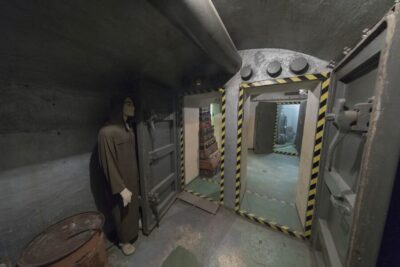
Communism History and Nuclear Bunker Guided Tour
Read our review →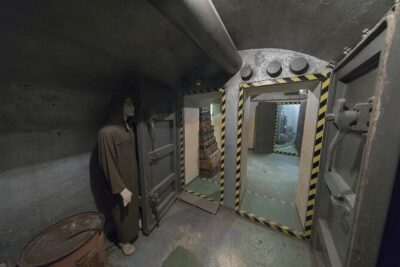
Prague Communism History and Nuclear Bunker Tour
Read our review →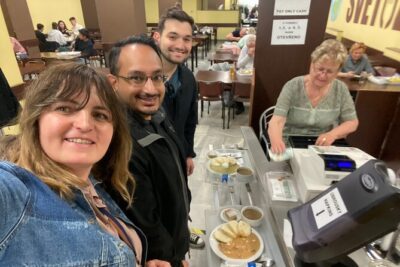
Communism & Nuclear Bunker Tour + 70s Canteen Lunch (own expense)
Read our review →
Communism and Bunker Tour with 70s Canteen Lunch
Read our review →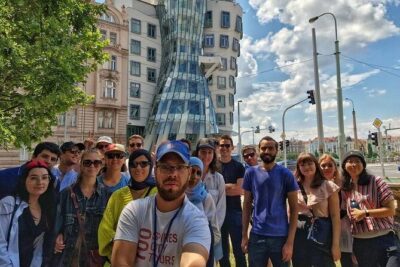
Second World War & Communism (Tip-based 3 hour tour)
Read our review →
Browse the lists this tour appears in