
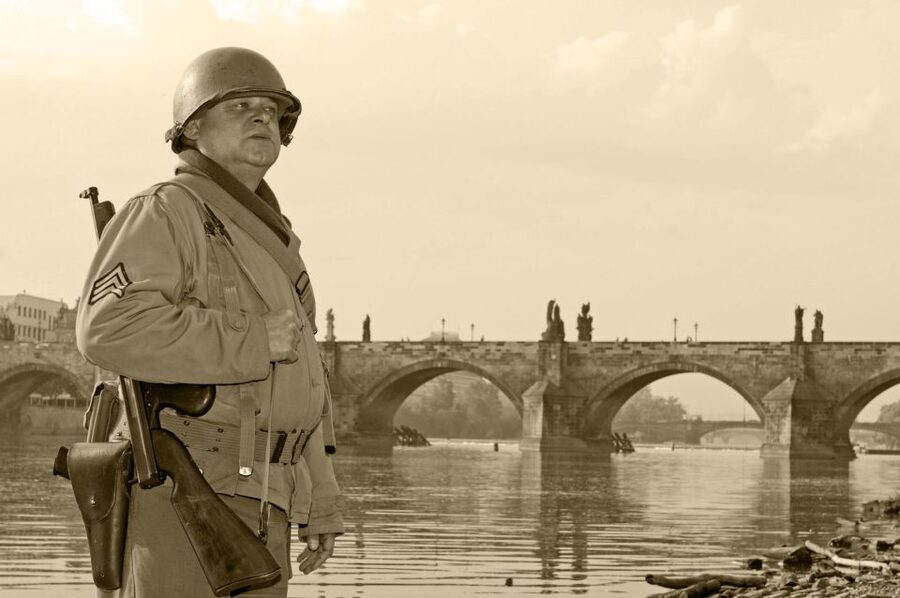
Review · WWII & HOLOCAUST TOURS
Prague: Communists and World War II Tour
Prague politics plays out on foot. This 2-hour Communists and World War II tour ties 20th-century turning points to real streets, starting near Charles Bridge and moving through key center squares while your guide connects the dots between wars and ideologies. I like that it is not just dates, it is cause-and-effect, including how events leading to World War II unfolded in Prague.
What I really enjoy is the way the tour shifts time periods without losing the thread. You hear how life changed after World War II under Communism, you see a 30-meter statue of Stalin, and you also get the human stakes, like why black-listed books were burned and how the student Jan Palach set himself on fire. A great bonus is the guide style: past guides including Barbara, Martin, Otakar, Inna, and Illene were praised for answering lots of questions and keeping the story engaging.
One possible drawback: the content is heavy, and there may be a movie segment that some people find repetitive. If you prefer a lighter walking tour with only pleasant scenery, this one may feel more like an intense history lesson than a relaxed stroll through postcard Prague.
In This Review
- Key highlights you will care about
- A focused 20th-century storyline, told walk by walk
- Where you start at Charles Bridge, and why it matters
- From Národní through the New Town: learning WWII’s Prague trail
- Wenceslas Square: symbols, power, and political turning points
- The Republic Square finish: Czechoslovakia and the after-shocks
- The 30-meter Stalin statue: why this landmark is discussed so often
- Optional Museum of Communism: when the tour hits the books
- The guide makes or breaks it, so choose your mindset
- Price, timing, and getting the most value in 2 hours
- Should you book the Communists and World War II Tour?
- FAQ
- Where does the tour start?
- How long is the tour?
- What is the price?
- What languages are offered?
- Which stops are included on the route?
- Is the Museum of Communism included?
- What should I bring?
- Is anything not allowed during the tour?
- Where is the closest transit stop?
- Can I cancel for a refund?
- What kind of experience is this, mostly?
Key highlights you will care about
- 30-meter tall statue of Stalin and the symbolism behind it
- Nazi-occupied Prague streets framed as living political geography
- Cold War and the Iron Curtain explained through what people actually faced
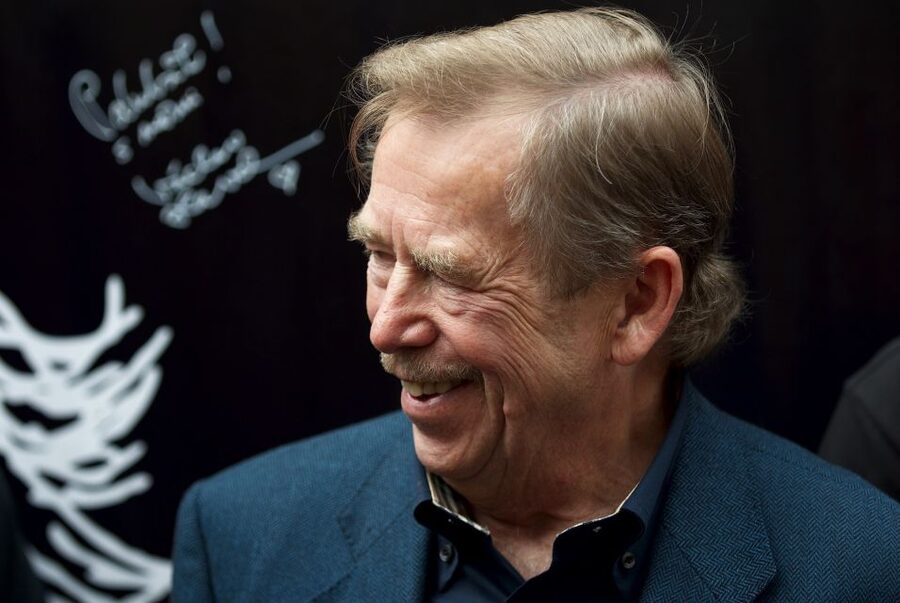
- Jan Palach, burned black-listed books, and the Velvet Revolution as dramatic turning points
- Optional Museum of Communism ticket plus a 10% discount coupon
A focused 20th-century storyline, told walk by walk
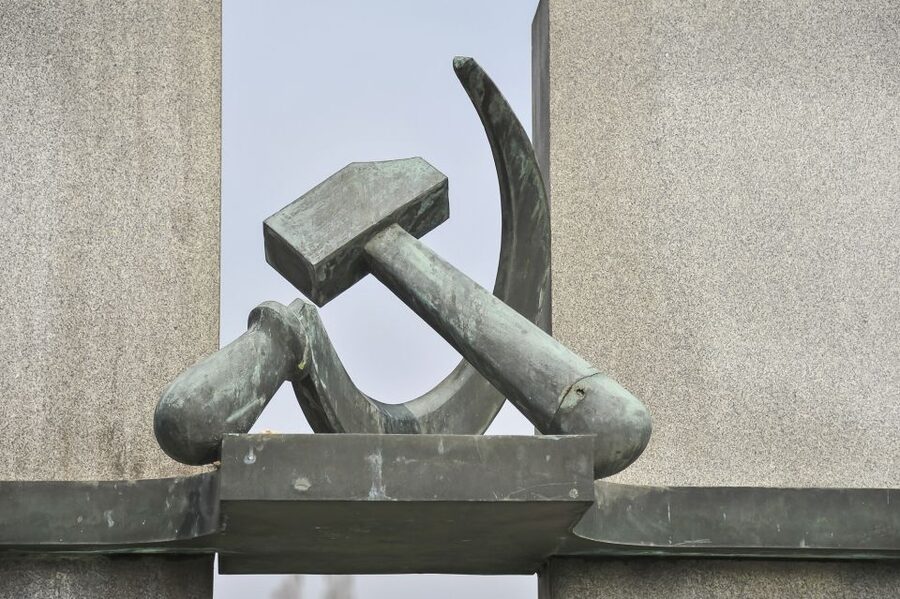
This tour is built like a timeline you can walk. You start in the central historic core and move through places tied to how power worked in the 20th century. The goal is simple: help you understand how the same streets that look so timeless today were shaped by World War II, then reshaped again by Communist rule and the later Cold War.
At $29 per person for a 2-hour guided walk, it is a pretty good value if you want a guided shortcut into Prague’s modern history. You are not paying for hours of museum wandering. You are paying for a person to explain why specific locations matter, and to give you context you can use immediately as you keep exploring the city on your own.
More wartime history tours in Prague:
- Prague: WWII Guided Tour & The Crypt of Operation Anthropoid
★ 4.7 · 1,030 reviews - WWII in Prague Tour & The Crypt of Operation Anthropoid
★ 5.0 · 817 reviews - Small-Group World War 2 & Operation Anthropoid Tour in Prague
★ 5.0 · 231 reviews
Where you start at Charles Bridge, and why it matters
You meet at Křižovnické náměstí, in front of the Charles Bridge area, next to the Statue Charles IV. The guide holds an orange umbrella, so this is your visual cue when you arrive. If you are coming by public transit, the closest stop listed is Staroměstská.
This start location is more than convenient. Charles Bridge and this end of the river are a great place to orient yourself fast. From there, you can feel how Prague’s “pretty core” sits right next to the story of occupation, propaganda, and resistance that unfolded later. It sets the tone for the entire walk: you are not just seeing monuments, you are learning how politics leaves physical traces.
Practical tip: because multiple guides use the same umbrella color, arrive a couple of minutes early and compare your guide’s umbrella to your booking details. It avoids that awkward moment of asking three strangers, hoping you picked the right one.
From Národní through the New Town: learning WWII’s Prague trail
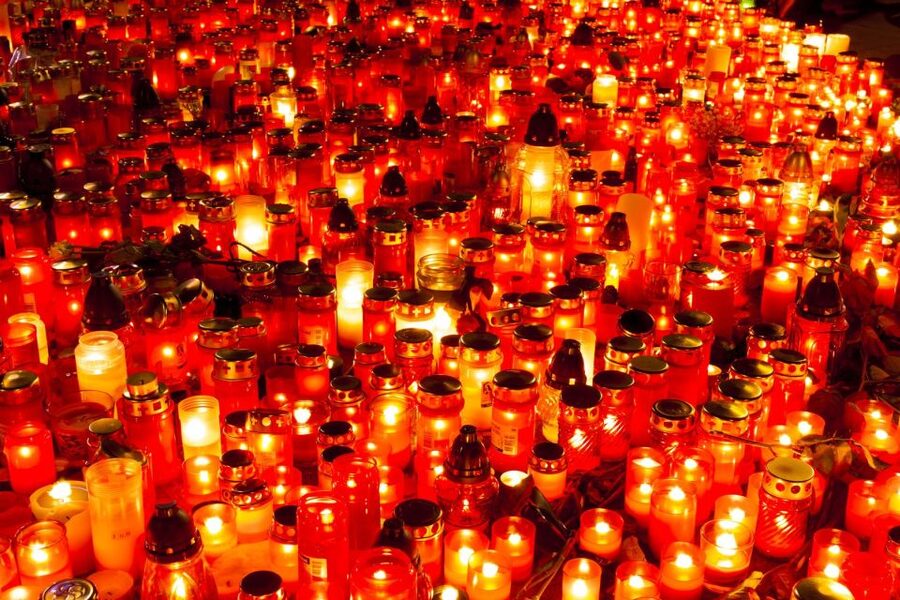
After you start near Charles Bridge, the route heads toward Národní and then on through New Town, Prague. This is where the tour leans into the “streets where history happened” part.
You will hear about the events that led to World War II in Prague, and you will follow that story across the center rather than staying in one lecture stop. The key idea is that you are walking through a city that was pulled into wider European conflicts, then reinterpreted by whoever held power. The tour also addresses how Nazi forces, including the Gestapo, operated in the area, which changes how you read ordinary-looking streets.
What I like about this segment is the balance between big-picture and grounded details. The highlights mention learning how Prague’s streets were occupied by Nazis, and the tour frames this as more than a grim backdrop. It is political geography: where control was exerted, where messages were spread, and how daily life got shaped by outside force.
A drawback to keep in mind here is pacing. Since the tour moves through multiple center stops in 2 hours, you will want to stay present. If you drift into photo-mode constantly, you can miss the explanation that connects one location to the next.
Wenceslas Square: symbols, power, and political turning points
Next comes Wenceslas Square, one of Prague’s best-known public stages. On this tour, it is not treated as just a landmark. It becomes part of the bigger narrative: what changed after World War II, how Communist rule took hold, and how Prague later pushed back as the Cold War structure eventually weakened.
This is also where the tour’s most dramatic elements come into focus. You learn about life under Communism post-World War II, and you connect those experiences to later resistance and political change. The tour includes the Russian Occupation and the broader idea of the Iron Curtain, so the story expands beyond Prague while still staying rooted in places you are standing in.
You will also hear about key resistance and protest themes, including why black-listed books were burned, and why Jan Palach set himself on fire. I like that the tour does not toss these names around as trivia. It treats them as turning points in the pressure between state control and personal courage.
Another way to fill an afternoon in Czechia:
- Prague: 50-Minute Sightseeing Evening Cruise
★ 4.2 · 33,780 reviews - Prague: Medieval Dinner with Unlimited Drinks
★ 4.4 · 19,847 reviews - Prague: Skip-the-line Castle Ticket and Optional AudioGuide
★ 4.3 · 11,121 reviews - Prague: Castle Tour with Local Guide and Entry Ticket
★ 4.6 · 10,422 reviews
The Republic Square finish: Czechoslovakia and the after-shocks
The itinerary continues to Republic Square before ending in central Prague (listed as finishing at Praha, Česko). This part of the route is important because it anchors the story in what came next, not only what came before.
One of the stated highlights is discovering how the creation of Czechoslovakia came about. That matters because it turns the tour into something more than a “sad history walk.” It becomes a story of how people organized political life, how borders and states formed, and how power arrangements changed over time.
You will also cover the lead-up to the Velvet Revolution, the phase where pressure built and then moved into major political transformation. The tour’s emphasis on the ups and downs of political life helps you understand why the same city can feel both ceremonial and tense, sometimes within minutes of each other.
The 30-meter Stalin statue: why this landmark is discussed so often
At some point on the walk, you will see the 30-meter tall statue of Stalin. This is one of the clearest “you are in the right story” moments on the tour. A statue of that size is not subtle. It is meant to project authority, permanence, and ideology.
On this tour, the statue is treated as symbolism you can interpret. You will learn about the Communist era after World War II and how the Soviet influence shaped local life. The statue becomes a physical shortcut to understand propaganda in public space and why later generations had to confront what that meant.
I also like that this moment is framed alongside the rest of the narrative, including Russian Occupation and the Iron Curtain. The point is not to stare at stone and guess meanings. Your guide connects it to what people experienced and what later resistance represented.
Optional Museum of Communism: when the tour hits the books
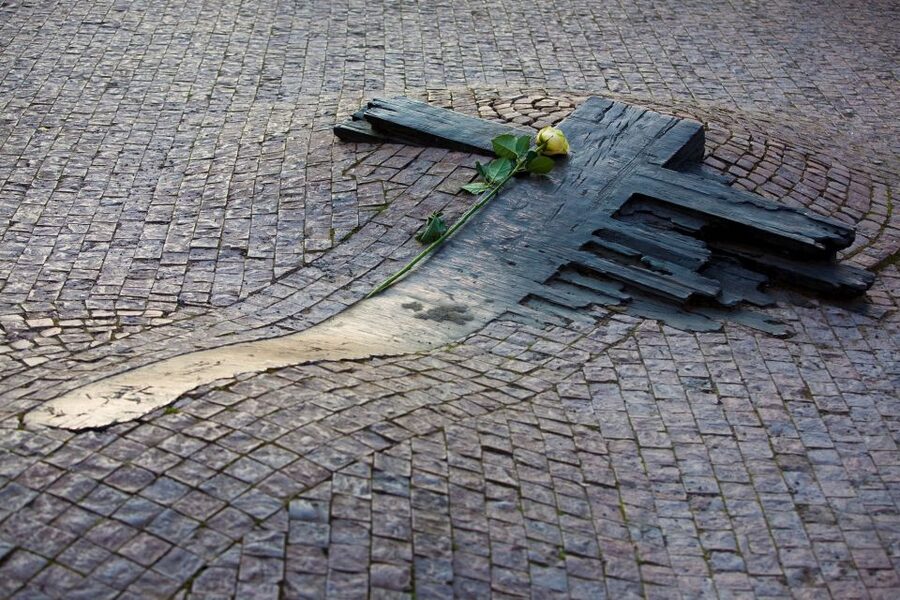
This experience can include a ticket to the Museum of Communism if you select that option. Even when you do not add the entry, you get a 10% discount coupon for the museum.
This is a smart add-on if you want the tour’s street-level story to continue indoors. The tour already mentions censorship topics like black-listed books being burned, and it covers dramatic turning points like Jan Palach and the Velvet Revolution. A museum follow-up can help you see how those themes were enforced, documented, and remembered.
One note from experience style: the tour description indicates a strong storytelling format, and at least one guide-led session included a movie component. If you prefer only live explanation, you might find that film segment less useful than the walking portion. Still, it can be handy for getting a baseline before the rest of the route.
The guide makes or breaks it, so choose your mindset
This tour runs with a live local guide in English, German, or Russian. What stands out from the guide feedback you can use to choose the right energy is how much Q and A people encouraged. Guides named in past sessions, including Barbara, Martin, Otakar, Inna, and Illene, were praised for staying engaged and answering lots of questions.
That tells you what kind of tour it is. You get the best results when you treat it like a conversation. Ask why a place matters, ask what changed after World War II, ask how the Iron Curtain affected everyday life themes in the story. This is the kind of tour where a good question can turn a stop into a better understanding of Prague.
You should also go in knowing this is not a “see everything in 2 hours” sightseeing sprint. It is a knowledge-driven walk. One strong fit is for people who like to understand the political logic behind monuments and streets.
Price, timing, and getting the most value in 2 hours
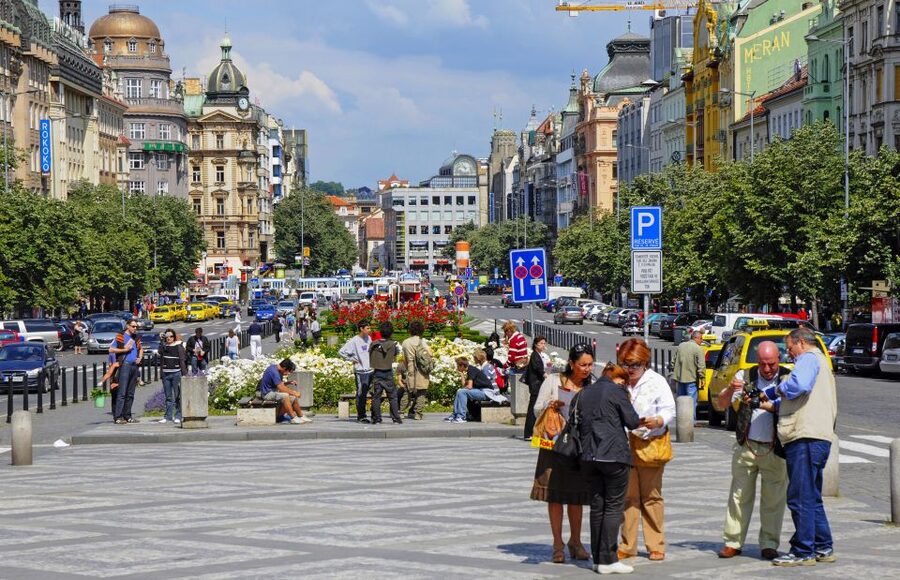
$29 per person for a 2-hour walking tour is the kind of pricing that works well when you want a guided narrative rather than a museum day. You are also not stuck paying for extras unless you want them. The museum ticket is optional, and you can use the coupon if you decide later that you want a deeper indoor chapter.
Timing wise, the duration is set, so you should plan your day around it. Wear comfortable shoes. The tour focuses on walking through central Prague, including multiple named stops like Národní, New Town, Wenceslas Square, and Republic Square. That is ideal if you enjoy moving, but not ideal if you expect long seated breaks.
Group size can vary. In at least one case, it was just two people, which tends to mean more direct answers and faster back-and-forth. Even if your group is larger, the guide’s style in the record suggests the session is built for questions.
Should you book the Communists and World War II Tour?
Book it if you want your Prague trip to include the 20th-century thread that shaped everything else. You will come away better able to connect what you see now to what happened later: Nazi occupation, the Communist Revolution and life under Communism, the Iron Curtain, and the sequence of resistance moments tied to Jan Palach and the Velvet Revolution.
Skip it, or at least adjust expectations, if you are looking for a light, purely scenic walk. This is a dark-history tour with major political themes, and it may include a film segment that some people did not love.
If your goal is to understand Prague beyond the postcard surface, this is a strong use of 2 hours, especially with a guide who turns the route into a clear story rather than random stops.
FAQ
Where does the tour start?
The meeting point is in front of the Charles Bridge at Křižovnické náměstí, next to the Statue Charles IV, and the guide will hold an orange umbrella.
How long is the tour?
It is a 2-hour walking tour.
What is the price?
The price is $29 per person.
What languages are offered?
The live guide is available in German, Russian, and English.
Which stops are included on the route?
The route includes Národní, New Town, Prague, Wenceslas Square, and Republic Square, Prague, and it finishes in central Prague (listed as Praha, Česko).
Is the Museum of Communism included?
The museum entry ticket is included only if you select the museum option. You also get a 10% discount coupon for the Museum of Communism.
What should I bring?
Wear comfortable shoes.
Is anything not allowed during the tour?
Alcohol and drugs are not allowed.
Where is the closest transit stop?
The closest tram or subway station listed is Staroměstská.
Can I cancel for a refund?
Yes. You can cancel up to 24 hours in advance for a full refund.
What kind of experience is this, mostly?
It is a history-focused walk centered on the lead-up to World War II, life under Communism after World War II, and the events tied to the Cold War and the Iron Curtain, including the Velvet Revolution and related stories.
Just added around Prague
- WWII and Communism History in Prague’s Old Town Private Tour★ 5.0 · 4 reviews
- Prague: Historical Walking Tour with Focus on World War 2★ 4.3 · 12 reviews
- World War II 4WD Tour from Prague with Lunch★ 4.4 · 3 reviews
- World War II History Tour of Prague’s Old Town★ 5.0 · 4 reviews
- Walking tour of Prague in French : Nové Město★ 4.9 · 16 reviews
- Walking tour of Prague in french: Old Town & Charles Bridge★ 4.9 · 62 reviews
- Organ Concert in St Francis Church Admission Ticket★ 4.5 · 88 reviews
- Unique salt cave in Prague★ 4.9 · 10 reviews
WWII & Holocaust Tours, compared.
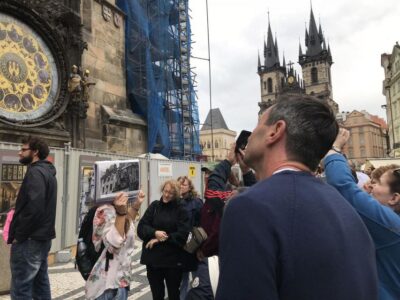
WWII Guided Tour & The Crypt of Operation Anthropoid
Read our review →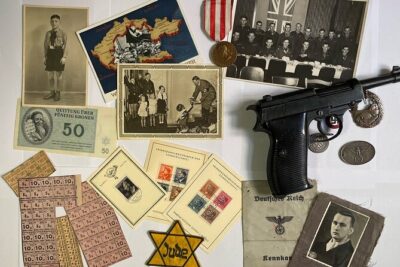
WWII in Prague Tour & The Crypt of Operation Anthropoid
Read our review →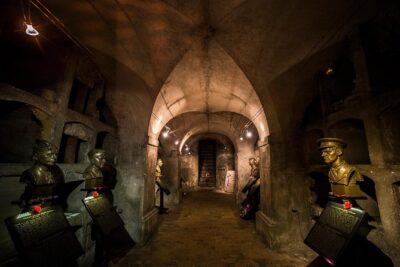
Small-Group World War 2 & Operation Anthropoid Tour in Prague
Read our review →
World War 2 and Operation Anthropoid Walking Tour
Read our review →
Terezin In-Depth Holocaust Tour From Prague’s Center (max 7 pax)
Read our review →
Second World War & Communism (Tip-based 3 hour tour)
Read our review →Browse the lists this tour appears in